When it comes to insulation, homeowners and contractors face a critical choice that impacts comfort, energy efficiency, and environmental sustainability. Quiet Denim insulation stands apart as a whisper-quiet, safe-for-the-planet, and built-to-last solution, offering unparalleled performance and eco-consciousness.
This article dives into the comparison between denim insulation and fiberglass insulation to help you make an informed decision for your next project.
Denim Insulation: Eco-Friendly, Comfortable, and Built to Last
Choosing the right insulation affects sound control, comfort, energy efficiency, and long-term home health. Denim and fiberglass are two common batt insulation options for residential construction, and each material has a legitimate role depending on the project. This denim insulation vs fiberglass comparison breaks down how they differ across thermal performance, installation, safety, moisture resistance, sustainability, and sound control.
What Is Denim Insulation?
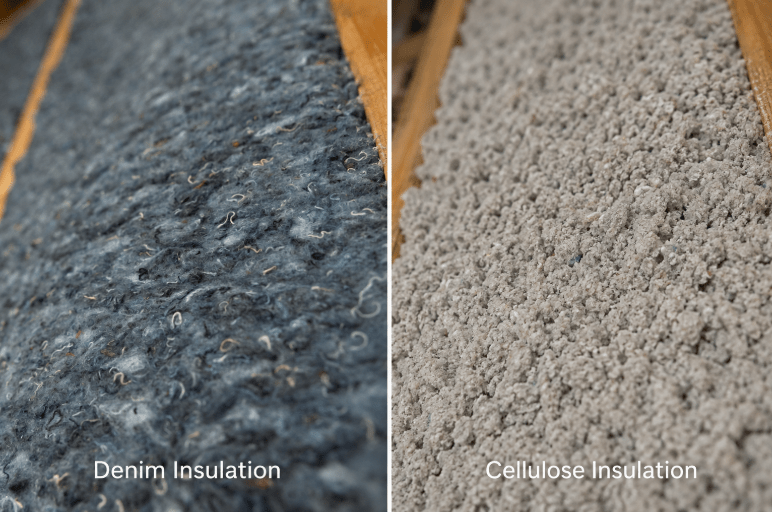
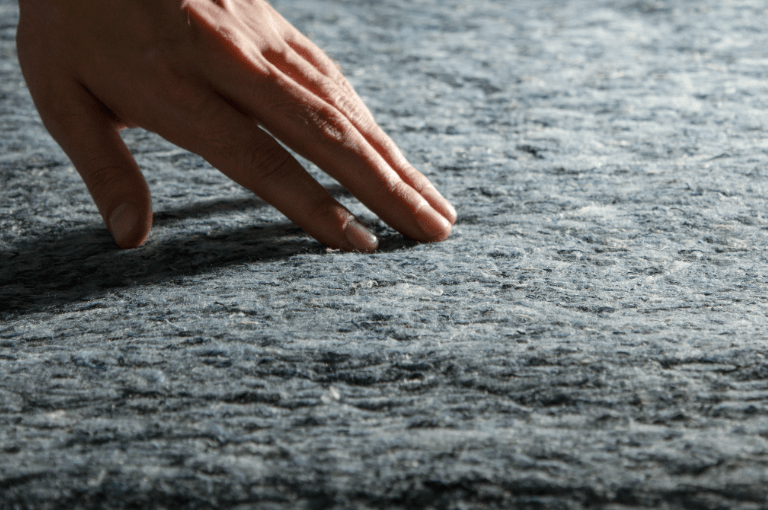
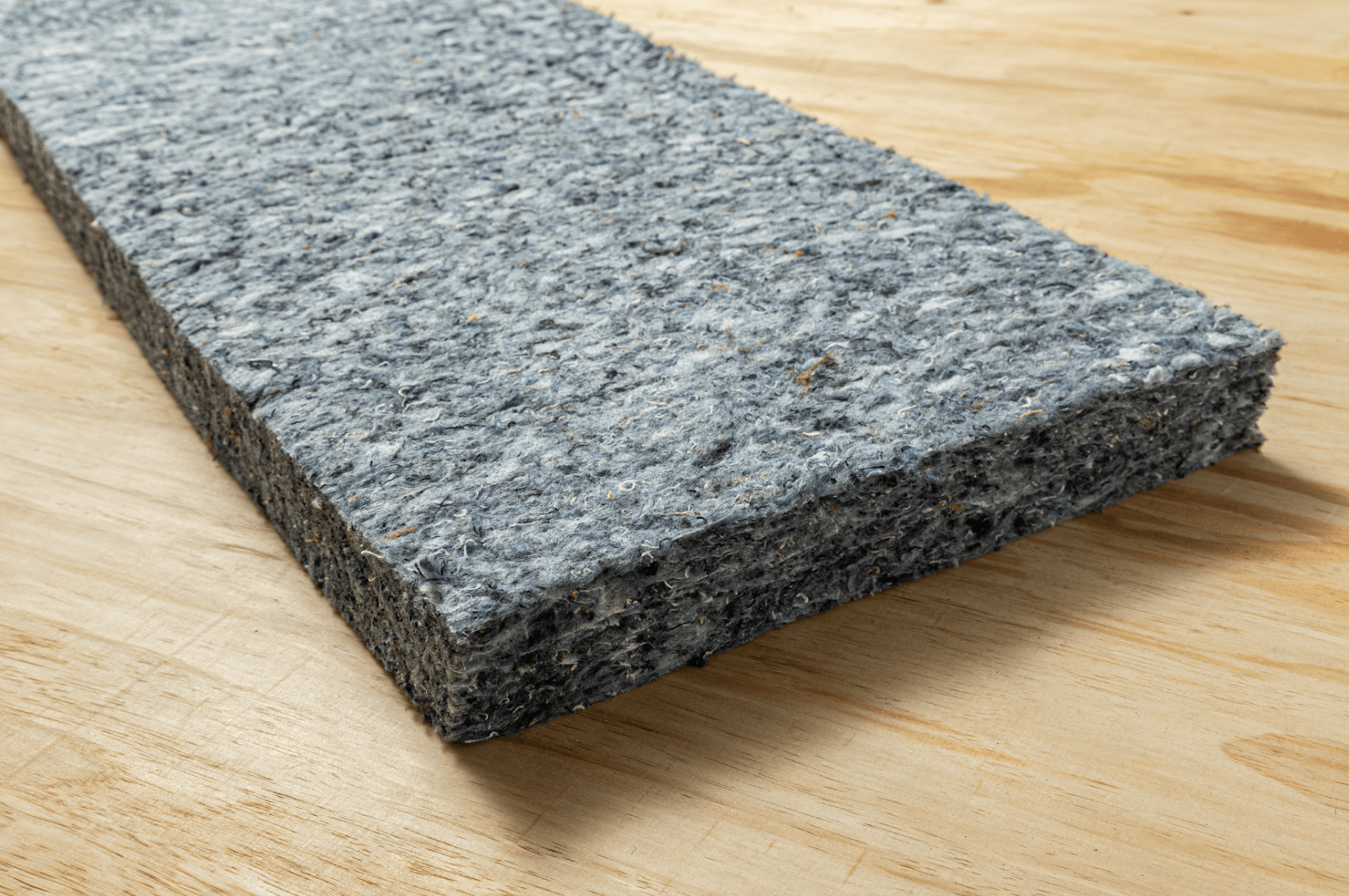
Quiet Denim insulation is made from post-industrial recycled cotton, the same fiber family used in denim clothing. The cotton is processed into batt insulation that fits between studs, joists, or rafters, which makes recycled denim batt insulation a practical option for standard residential wall and ceiling cavities.
Quiet Denim batts are sized for standard 16-inch and 24-inch on-center framing. They are formaldehyde-free, low-VOC, and made without fiberglass fibers, so they are safe to handle and easy to install.
The material is treated with Ammonium Sulfate for fire resistance and mold and mildew growth resistance. Quiet Denim also has an NRC rating of 1.05, which gives it premium sound absorption.
What Is Fiberglass Insulation?
Fiberglass insulation is made from fine glass fibers. It is one of the most widely used insulation materials in residential construction because it is available in batts, rolls, and loose-fill forms.
Fiberglass usually has a lower upfront cost than most alternative insulation products. It is also widely available at home improvement stores, which makes it easy to source for standard projects.
Installation requires more protective handling. Gloves, masks, eye protection, and long sleeves are commonly recommended because loose glass fibers can irritate skin, eyes, and lungs during cutting or placement.
Denim vs. Fiberglass: Side-by-Side Comparison
A side-by-side view helps clarify where each material performs well. The strongest denim insulation vs fiberglass differences appear in sound absorption, handling, indoor air quality, and sustainability.
| Category | Denim Insulation | Fiberglass Insulation |
|---|---|---|
| Material Source | Post-industrial recycled cotton | Fine glass fibers |
| NRC (Sound) | Up to 1.05 | Up to 0.95 |
| R-Value Per Inch | Comparable — R-13 for standard 3.5-inch batt | Comparable — R-13 for standard 3.5-inch batt |
| VOC Emissions | Low VOC, formaldehyde-free | May contain formaldehyde binders |
| Installation Safety | Safe to handle and easy to install | Gloves, mask, and eye protection recommended |
| Fire Resistance | Fire rated — treated with ammonium sulfate | Naturally non-combustible |
| Mold Resistance | Treated for mold and mildew growth resistance | Can trap moisture if improperly installed |
| Lifespan | 40+ years with consistent performance | May compress or degrade over time |
| Upfront Cost | 10–50% higher than fiberglass | Lower upfront cost |
| Eco-Friendly Profile | High recycled content, lower manufacturing impact | Energy-intensive production, lower recycled content |
Thermal Performance
Thermal performance is one of the most balanced parts of a denim insulation vs fiberglass comparison. Both materials can deliver comparable R-values, including R-13 for a standard 3.5-inch batt.
R-value measures how well an insulation material resists heat transfer. Homeowners comparing thermal insulation materials should look beyond the number alone because performance also depends on fit, loft, compression, and proper installation.
Denim holds its shape well inside the cavity, which helps it maintain loft and R-value over time. Fiberglass can also perform reliably in standard wall and ceiling assemblies, but compression, gaps, or poor installation can reduce its effectiveness.
Sound Performance
Sound control is where denim has a clearer advantage. Quiet Denim has an NRC rating of up to 1.05, while fiberglass batts can reach up to 0.95 depending on the product and assembly.
The dense cotton fiber structure helps absorb airborne sound from voices, music, televisions, appliances, and everyday household movement. The question is denim insulation good for soundproofing usually comes from homeowners looking for better control between bedrooms, home offices, nurseries, bathrooms, and media rooms.
Fiberglass provides some acoustic benefit, especially when installed properly in interior walls. For projects where sound reduction is a major priority, denim is usually the stronger choice.
Installation: What to Expect
Both materials install into framed cavities, but they feel different during handling and cutting. The installation side of denim insulation vs fiberglass matters most for DIY projects, occupied homes, and rooms where clean handling is important.
Installing Denim Insulation
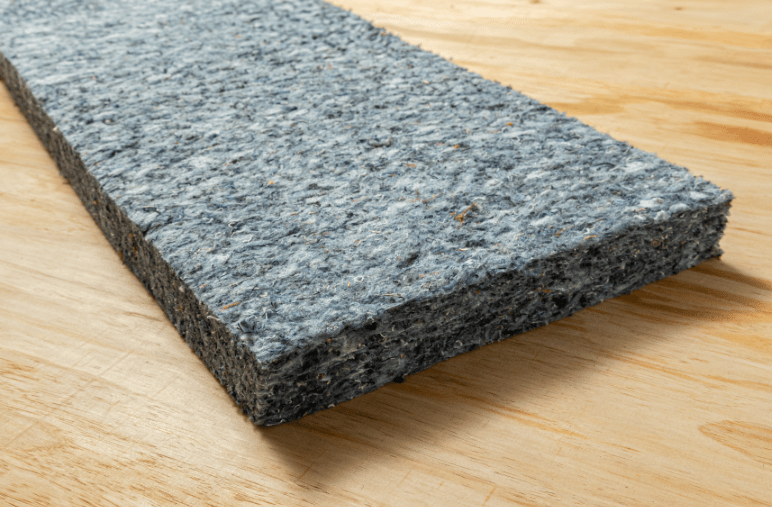
Quiet Denim is designed for simple batt installation. Its friction-fit design makes for an extremely simple install.
The batts fit between standard framing members without adhesive or special fasteners. It’s safe to handle and easy to install, although a sharp utility knife helps create clean cuts through the dense cotton fiber structure.
A mask is recommended when cutting to minimize loose fiber exposure. Homeowners reviewing how to install denim insulation should still measure carefully, cut cleanly, and fill each cavity without gaps.
Installing Fiberglass Insulation
Fiberglass batts also follow a familiar measure, cut, and friction-fit process. The material is lightweight and easy to place once the installer is properly protected.
Protective handling is the main difference. Gloves, long sleeves, eye protection, and a mask are commonly recommended because glass fibers can irritate skin and respiratory passages during installation.
Safety and Indoor Air Quality
Indoor air quality matters when insulation is installed inside occupied homes. In a denim insulation vs fiberglass comparison, the main differences involve fiber exposure, VOC profile, and binder chemistry.
Quiet Denim is formaldehyde-free, low VOC, and made without fiberglass fibers. Those traits make it a strong fit for homeowners comparing non-toxic insulation for bedrooms, nurseries, home offices, and other frequently used spaces.
Fiberglass products vary by manufacturer, and many current residential fiberglass products are formaldehyde-free, while older or specialty products may use formaldehyde-based binders. Loose fibers can also irritate skin, eyes, and lungs during installation, so product specifications and protective handling instructions should be reviewed before purchase.
Moisture and Mold Resistance
Moisture control depends on the full wall or ceiling assembly, not insulation alone. Both denim and fiberglass need proper installation, air sealing, and vapor management to perform well in moisture-prone environments.
Quiet Denim is resistant to mold and mildew growth. In exterior wall applications, a vapor barrier may be recommended depending on climate, wall design, and local building practice.
Fiberglass does not absorb water in the same way organic fibers can, but it can trap moisture against framing or lose effectiveness when installed poorly. In humid climates or damp assemblies, either material can underperform if moisture is not managed correctly.
Environmental Impact
Environmental impact includes the raw material source, manufacturing process, indoor emissions, and disposal path. This is one of the clearest areas where denim insulation vs fiberglass separates into different priorities.
Denim Insulation
Denim insulation uses recycled cotton that would otherwise contribute to textile waste. That recycled-content profile makes it a practical option for homeowners comparing green building materials for a healthier and more resource-conscious home.
The manufacturing process generally requires less energy than glass fiber production. Quiet Denim is also formaldehyde-free and low VOC, which supports indoor air quality goals along with sustainability goals.
Denim insulation may also align with LEED material credit criteria depending on the project and documentation. Builders should verify current credit requirements before relying on any material for certification.
Fiberglass Insulation
Fiberglass production requires high heat to create fine glass fibers. That manufacturing process is more energy-intensive than cotton fiber processing.
Many fiberglass products contain some recycled content, but the recycled-content level is typically lower than denim. Disposal can also be more limited because fiberglass insulation is difficult to recycle after removal.
Fiberglass still remains a widely used insulation material because it is affordable, available, and effective when installed properly. Its environmental tradeoffs are most important when sustainability is a primary project goal.
Where Each Material Works Best

The right choice depends on the room, budget, performance priorities, and installation conditions. A balanced denim insulation vs fiberglass decision should recognize that fiberglass can still be the right material when cost and availability matter most.
Choose Denim When
Choose denim when sound control is a priority in bedrooms, nurseries, home offices, media rooms, or shared interior walls. Its dense cotton fiber structure gives it stronger acoustic performance than fiberglass in many residential sound-control applications.
Denim also makes sense in occupied spaces where handling, air quality, and comfort matter during installation. Homeowners who want low VOC, formaldehyde-free insulation with recycled content often find that denim fits both performance and sustainability goals.
It is also a strong option when long-term consistency matters. Quiet Denim is designed to maintain loft and performance over time, which gives it an advantage in projects where durability matters as much as the upfront installation.
Choose Fiberglass When
Choose fiberglass when upfront budget is the primary constraint. It is usually less expensive than denim and widely available in common batt, roll, and loose-fill forms.
Fiberglass can also be a practical choice in unconditioned or lower-priority areas where sound performance is not a major factor. Installers who are comfortable using gloves, masks, eye protection, and long sleeves can work with the material safely by following product instructions.
For basic thermal performance at the lowest upfront cost, fiberglass remains a legitimate option. The tradeoff is that it does not match denim’s combined profile for sound absorption, indoor air quality, handling comfort, and recycled-content value.
Choose Quiet Denim for Safer Handling, Better Sound Control, and Long-Term Value
Both denim and fiberglass are viable batt insulation options for residential construction. Fiberglass has the edge on upfront cost and availability, while Quiet Denim leads on sound performance, indoor air quality, safe handling, durability, and sustainability. For homeowners and builders who want one material that performs across more categories, get a quote from Quiet Denim.