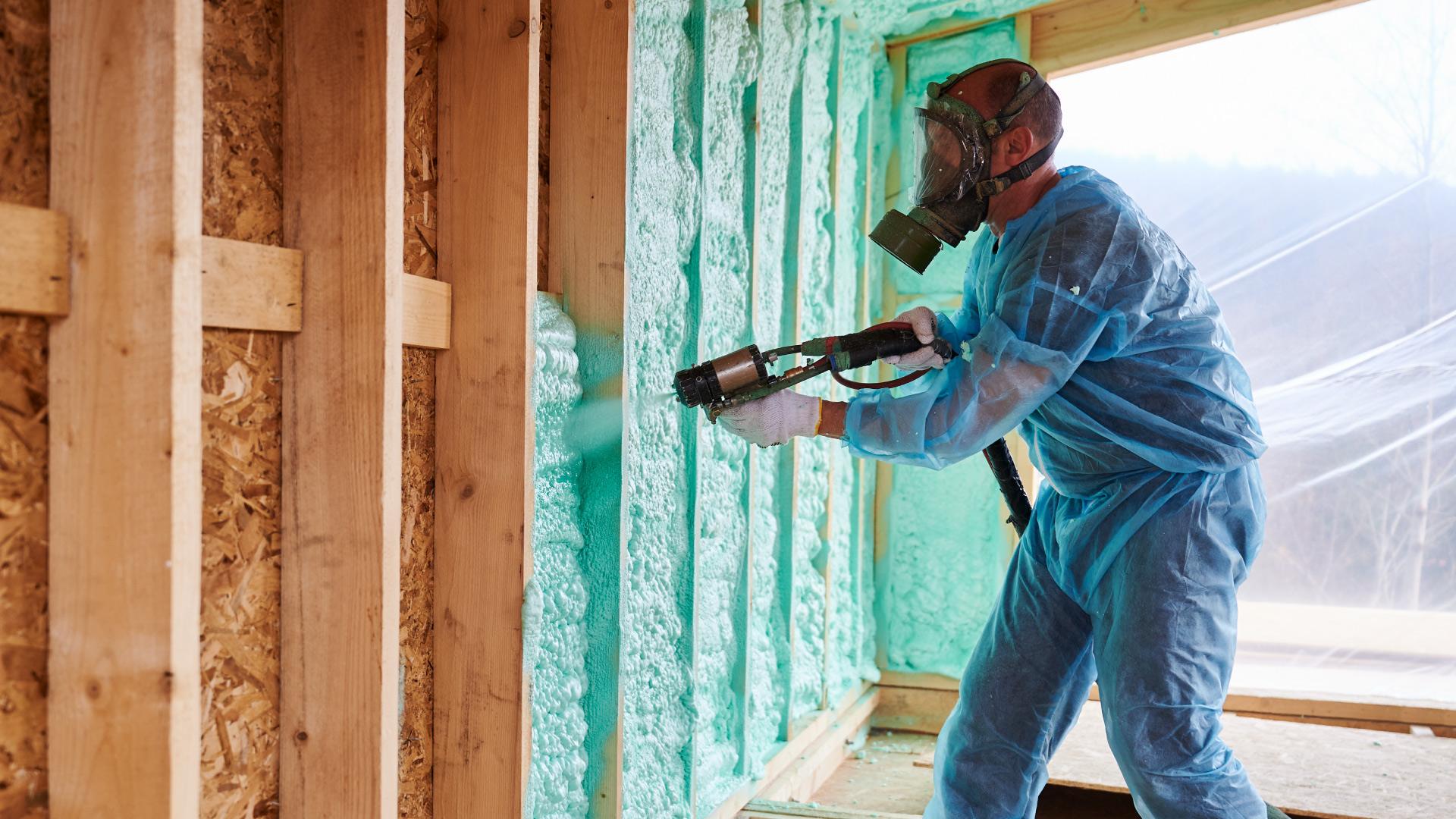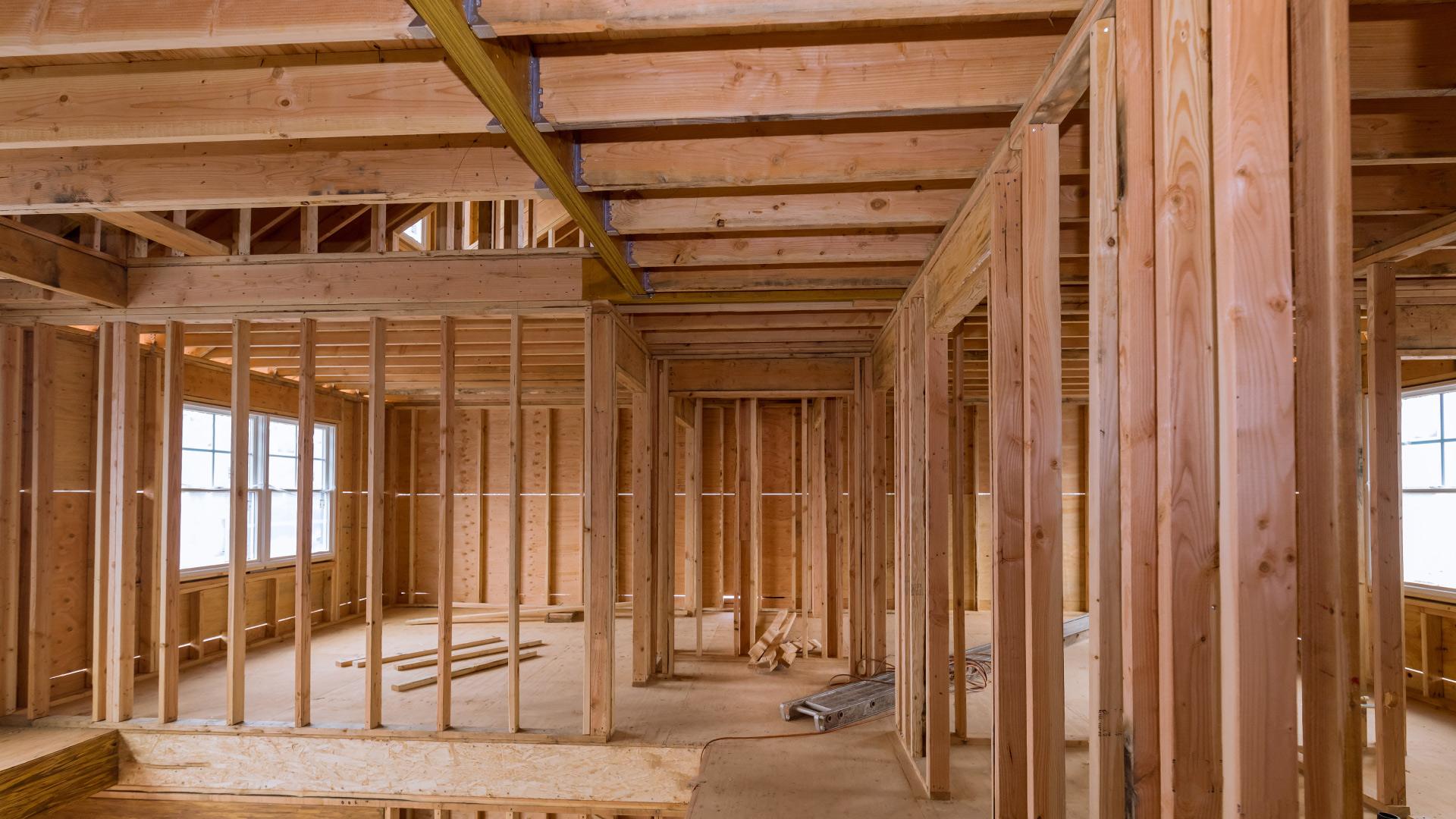
In a new home, few things affect daily comfort more than unwanted noise. Open layouts, hard finishes, and multi-use spaces allow sound to travel farther than most homeowners expect. Thoughtful room soundproofing during construction helps control that movement before walls and ceilings are closed in.
Why Soundproofing Matters in New Construction
Soundproofing isn’t limited to recording studios or specialty spaces. In residential construction, it shapes how private, calm, and functional the home feels once it’s occupied.
- Addressing room soundproofing during framing prevents noise transfer before it becomes a persistent problem.
- At this stage, wall and ceiling cavities are open, allowing insulation to be installed continuously and without interruption.
- Once drywall is installed, those sound paths are effectively locked in, and correcting noise issues typically requires added layers, specialty hardware, or partial demolition.
- Reducing noise between rooms also increases privacy, supports better sleep, and lowers daily stress.
When sound control is planned early, it becomes part of the structure rather than a surface-level fix.
Identifying Noise Sources and Types
Before planning your soundproofing strategy, it’s important to understand where unwanted noise comes from and how it travels. Not all noise is the same, and addressing the right source ensures your efforts are effective from the start.
Pinpointing Where Noise Originates
In order to plan ahead, begin listening carefully throughout the day and evening. Walk through your current home at different times and note where the noise is coming from. Exterior sources may include traffic, lawn equipment, construction, or nearby neighbors. Interior noise often comes from televisions, music, conversations, plumbing, or HVAC systems. Some sounds are structure-borne and travel through the building itself, such as footsteps, dropped objects, or running appliances.
Understanding Airborne vs. Impact Noise
Sound moves through your home in two main ways:
- Airborne noise travels through the air, think voices, music, or television. It passes through open spaces, gaps, and even standard walls if they aren’t insulated for sound.
- Impact noise (also called structure-borne noise) is caused by physical contact with the building, footsteps on floors above, doors closing, or appliances vibrating against walls. This type of noise moves through framing and solid surfaces.
Identifying whether you’re dealing with mostly airborne or impact noise helps you choose the right soundproofing approach. For example, dense insulation absorbs airborne noise, while isolating framing or adding resilient channels can help with impact noise.
By understanding the sources and types of noise in your home, you can target your soundproofing efforts for the greatest impact, creating a quieter, more comfortable living environment from the very beginning.
Top Rooms to Soundproof in a New Home

Some rooms benefit more from sound control than others based on how they’re used and where they’re located. These are the spaces where room soundproofing has the greatest impact.
1. Bedrooms
Bedrooms depend on quiet to function properly. Noise from living rooms, stairwells, bathrooms, or adjacent bedrooms can interrupt sleep even when it seems minor during the day.
In multi-story homes, bedrooms located near stairs or beneath active living areas are especially vulnerable to airborne noise traveling through framing cavities. Installing sound-dampening insulation like Quiet Denim in interior bedroom walls and ceilings absorbs that sound energy before it enters the room, helping preserve rest and privacy without altering layouts.
2. Home Office
Home offices are now standard in many floor plans. Video calls, focused work, and confidential conversations all suffer when household noise leaks through partitions.
For a room used as an office, interior wall insulation plays an important role in soundproofing. Absorptive materials reduce distractions from pets, children, and shared living spaces, allowing the room to function independently during the workday without relying on temporary fixes.
3. Bathrooms
Bathrooms generate sound through water flow, flushing, and exhaust fans. When these rooms sit next to bedrooms or living areas, that noise often carries farther than expected through uninsulated partitions.
Soundproofing bathroom walls limits how plumbing and fan noise spreads, improving comfort in nearby rooms while keeping the bathroom layout and fixtures unchanged.
4. Laundry Room
Washers and dryers produce both airborne noise and vibration. In upper-floor or centrally located laundry rooms, that sound can migrate easily into surrounding spaces.
Insulating laundry room walls and ceilings helps contain machine noise and reduces how much vibration transfers into adjacent framing, especially when the room shares walls with bedrooms or offices.
5. Home Theater or Media Room
Media rooms are designed for higher sound levels. Without proper insulation, movie dialogue, bass frequencies, and game audio travel into the rest of the house.
Effective room soundproofing in these spaces means insulating all surrounding walls and ceiling cavities so sound energy is absorbed inside the assembly before it escapes the room.
6. Nurseries or Kids’ Rooms
Sleep schedules in homes with children rarely align. Nurseries benefit from insulation that helps babies and young children sleep through normal household activity.
At the same time, sound absorption minimizes how play noise or crying travels into shared living spaces, keeping the rest of the home calmer and more usable.
7. Shared Walls (Multifamily or In-Law Suites)
Attached dwellings, duplexes, and in-law suites rely heavily on interior separation. Shared walls often include back-to-back rooms and continuous framing that allows voices and daily activity to transmit easily if cavities are left untreated.
Soundproofing these partitions protects privacy and promotes peaceful living, even when the wall assembly already meets basic code requirements.
8. Kitchens
Kitchens produce steady background noise from dishwashers, range hoods, and everyday cooking activity. In open floor plans, that sound easily migrates into adjacent rooms.
Insulating kitchen walls helps reduce how appliance noise carries into dining and living areas, improving overall sound balance throughout the home.
How to Soundproof a Room with Insulation

Insulation controls what happens inside wall and ceiling cavities, which is where most airborne noise either gets absorbed or passes through.
Use Dense, Premium Sound-Absorbing Insulation In Cavities
Effective soundproofing starts inside the wall and ceiling cavities, where sound energy either gets absorbed or allowed to pass through. Using dense, premium sound-absorbing insulation, such as Quiet Denim, reduces how much airborne noise can move from one room to the next by dissipating that energy before it reaches the opposite side of the assembly.
Why Quiet Denim Fits Residential Room Soundproofing
Quiet Denim is ideal for this application because it is made from post-industrial recycled denim, is low in VOCs, and is safe to handle. Its dense fiber structure supports sound absorption across common residential noise frequencies, which is why it is frequently specified for interior room soundproofing rather than thermal performance alone.
Fill Cavities Completely Without Compression
To perform properly, insulation must fully fill each cavity without being compressed. Gaps, voids, or uneven coverage allow sound to bypass the material entirely, reducing the effectiveness of the assembly. Its friction-fit design makes for an extremely simple install, helping maintain consistent contact at studs, plates, and penetrations.
Add Supplemental Layers Where Higher Control Is Needed
For additional control, insulation can be combined with solid-core doors, acoustic caulk at electrical boxes and joints, or double drywall where higher separation is required. These measures work together to limit sound paths while keeping the wall assembly practical for residential construction.
Choose Quiet Denim Insulation For New Construction Soundproofing
Soundproofing is one of the most overlooked aspects of new home design, yet it makes a major difference in how a home feels once it’s occupied. Focusing on room soundproofing in high-traffic, high-noise, and high-privacy areas creates quieter, more functional spaces from day one.
With Quiet Denim insulation, homeowners can soundproof a room effectively during construction instead of correcting noise issues later. Plan your soundproofing strategy early and get a quote today.