Soundproofing has become a key focus in residential design. Dealing with traffic, noisy neighbors, or room-to-room sound? The right insulation creates quieter, more comfortable living spaces.
This article outlines the best insulation for soundproofing interior walls with a clear focus on health, comfort, and acoustic performance.
What Makes Insulation Effective for Soundproofing?
Insulation products vary widely in how they manage sound. Many are designed primarily for thermal resistance, but only some are engineered to reduce noise transmission.
The best insulation for soundproofing combines three key traits.
- First, it must have enough density and mass to physically block airborne noise such as voices, TVs, or traffic, before it can pass through walls.
- Second, the material should feature an absorptive fiber structure that soaks up sound energy and prevents echo or reverberation within a space.
- Third, effective insulation must cover the full area within wall cavities to eliminate gaps where sound could leak through.
When insulation meets all three of these criteria, it not only limits sound transfer but also helps maintain steady temperatures and consistent indoor conditions. This combination is especially important in homes where both privacy and comfort are priorities.
Best Insulation for Soundproofing Interior Walls: What to Consider
Interior wall insulation directly impacts how sound moves between rooms. In areas where quiet matters most, this can make a noticeable difference. Effective soundproofing insulation should reduce airborne noise, install easily in standard framing, and be safe for use in everyday living spaces.
In residential settings like bedrooms, nurseries, and home offices, insulation should be non-toxic and low in VOCs to protect indoor air quality. It also needs to be safe to handle during retrofits or DIY projects—without requiring protective gear or specialized tools. Most importantly, it must control noise from common household sources such as voices, electronics, plumbing, and adjacent rooms.
The best insulation for soundproofing interior walls strikes a balance between performance, safety, and ease of use, making it a key part of a healthier, quieter home.
Top Soundproofing Insulation Materials
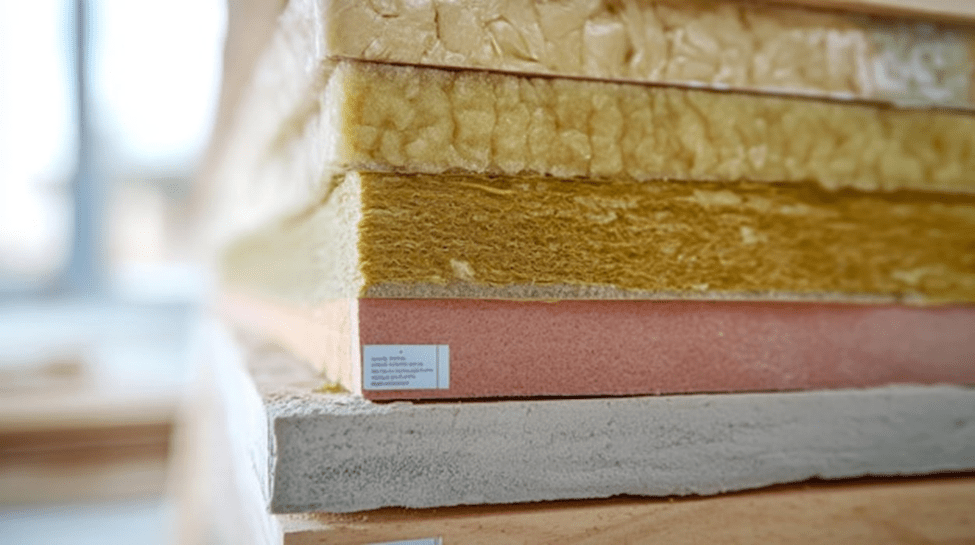
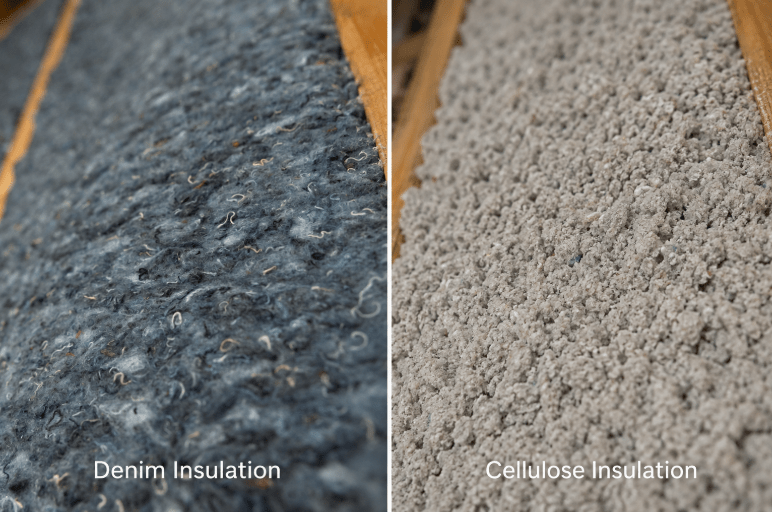
There are several types of insulation commonly used in soundproofing, each with varying strengths. Some are better suited for budget installs or commercial use. Others, like denim insulation, stand out for their indoor safety, ease of use, and acoustic performance.
1. Mineral Wool (e.g., Rockwool)
Dense and fire-resistant, mineral wool offers moderate sound absorption but can be irritating to handle and isn’t ideal for healthy home installs.
2. High-Density Fiberglass Batts
A budget-friendly option with some acoustic value, though it contains irritants and underperforms in air quality and comfort.
3. Closed Cell Spray Foam
Useful for sealing air gaps but not a strong absorber of sound on its own.
4. Acoustic Panels
Help with echo control in finished rooms but don’t provide in-wall soundproofing or thermal insulation.
5. Denim Insulation
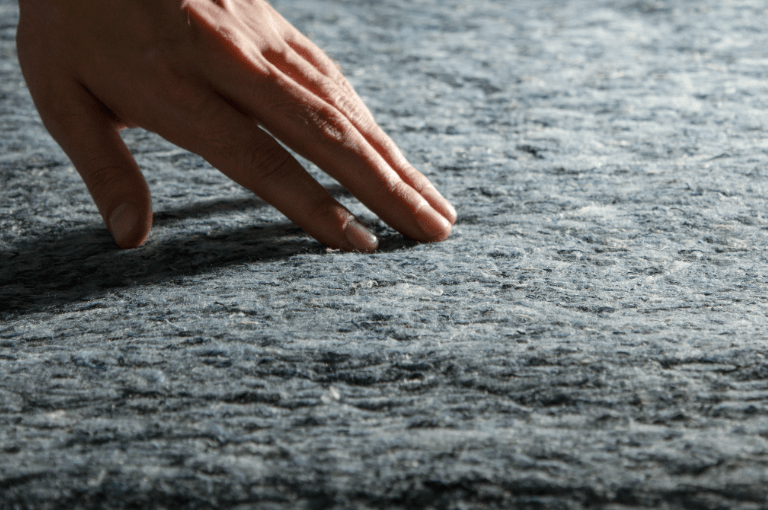
Quiet Denim insulation is made from post-industrial recycled cotton and achieves a Noise Reduction Coefficient (NRC) of 1.05, making it one of the best insulation materials for soundproofing walls.
- It delivers excellent acoustic absorption, especially in home offices, media rooms, and other sound-sensitive areas.
- The material is formaldehyde-free, low in VOCs, and treated to resist fire, mold, and mildew growth.
- Quiet Denim is safe to handle, and its friction-fit design makes for an extremely simple install.
This balance of sound absorption, material quality, and sustainability makes it a standout choice for residential soundproofing.
The Best Soundproofing for Walls: Room-by-Room Suggestions
Each room has different acoustic needs, and insulation should match those needs while still supporting livability and wellness.
Bedrooms and Nurseries: Quiet Denim is ideal for reducing noise from adjoining rooms and improving indoor air quality.
Home Offices: Quiet Denim helps minimize background noise and echo for clearer calls and better focus.
Shared Walls or Multi-Unit Housing: Quiet Denim installs easily in finished spaces and helps reduce sound transfer between adjoining units, improving privacy and comfort in high-occupancy settings.
Bathrooms: In climate-controlled interiors, Quiet Denim’s resistance to mold and its dense construction make it a strong pick for noise and moisture-prone zones.
Why Quiet Denim Outperforms Other Sound Dampening Insulation
When it comes to overall comfort, Quiet Denim delivers across every key metric:
- Sound absorption: NRC rating of 1.05, among the highest in its class
- Health and safety: Low VOC, formaldehyde-free, and mold- and mildew-resistant, which helps to improve indoor air quality and support healthier living conditions
- Installation: Its friction-fit design makes for an extremely simple install
Sustainability: Manufactured from post-industrial recycled denim to support eco-conscious builds - Thermal + acoustic performance: Effective in both hot and cold climates for all-season comfort
- Reliable coverage: Designed to fit standard framing cavities without gaps or settling over time
These combined traits make it one of the best insulation products for soundproofing walls in any residential setting.
Choose the Best Insulation for Soundproofing and Comfort
Choosing the best insulation for soundproofing involves looking at real-world performance. That includes how well a material absorbs sound, preserves air quality, and installs with minimal disruption.
Quiet Denim rises to that challenge with a product designed for comfort, wellness, and long-term noise control. Choose an insulation that reduces noise and supports healthier, and more comfortable spaces.