Spray foam insulation is often chosen for its air-sealing capabilities and high thermal performance. Problems arise when installation deviates from manufacturer requirements or when jobsite conditions are mismanaged. In those cases, the cost of spray foam repair can quickly exceed the original project budget.
Why Spray Foam Is Popular and Why It Can Go Wrong
Spray foam remains a common insulation choice because of how it behaves during application. When installed correctly, it delivers measurable performance benefits that appeal to homeowners seeking efficiency gains and reduced air leakage.
Performance Advantages Driving Adoption
Spray foam offers a high R-value per inch compared to many fibrous insulation materials, making it one option worth considering in tight framing conditions or areas where depth is limited. That said, the right choice always depends on the specific application and priorities of the build.
- During installation, the material expands and conforms to irregular cavities, sealing small gaps and cracks that would otherwise allow air movement.
- Because of this expansion behavior, spray foam is commonly specified in walls, attics, basements, and crawlspaces where air leakage control is a priority.
- These advantages depend entirely on controlled application, and performance varies based on installer experience and site conditions.
Each insulation type brings distinct strengths to different assemblies. Spray foam excels in air sealing and moisture control, while other materials like batt or rigid board insulation may better suit projects prioritizing cost, sustainability, or ease of installation.
Why Installation Errors Are Common
Spray foam performance depends on controlled temperature, humidity, surface preparation, and chemical ratios. If any of those variables drift, the foam can be compromised before it fully cures. Once installed, errors are hidden behind finishes, which makes failures expensive to diagnose and correct later. Because most homeowners rely on contractor recommendations, understanding these risks before installation helps prevent costly surprises.
Common Spray Foam Problems
Most spray foam failures trace back to installation behavior rather than material intent. These issues often surface months or years after the work is completed, when performance drops, or secondary damage becomes visible.
Poor Mixing or Off-Ratio Foam
Off-ratio foam prevents proper curing and often leaves behind clear warning signs. Lingering chemical odors or persistent off-gassing may remain long after installation, signaling an incomplete reaction. In other cases, the foam stays soft and spongy or becomes brittle over time, weakening adhesion and reducing insulation effectiveness. These conditions often require full removal, which escalates the cost of spray foam repair.
Overapplication or Uneven Expansion
Excessive foam depth or uncontrolled expansion places stress on framed assemblies during curing. Studs may bow or experience localized pressure, while uneven expansion can leave hidden voids that interrupt thermal continuity. Irregular surfaces also complicate drywall installation, forcing corrective work. These spray foam problems typically require material removal rather than surface fixes.
Spray Foam Shrinkage or Pull-Away
Shrinkage often appears after curing, when foam pulls away from studs or joists and leaves visible gaps. Those separations break air-sealing continuity even though cavities appear filled. Energy efficiency declines despite full-depth insulation, and this spray foam issue shows up most often in colder installs or poorly conditioned spaces.
Obstructing Wires, Ducts, or Pipes
Loss of service access becomes apparent only when repairs are needed. Electrical junctions, plumbing lines, or HVAC components may be buried within cured foam, turning routine maintenance into a hazardous task. Gaining access later requires cutting hardened material, increasing labor time, safety exposure, and the cost of spray foam repair.
Flammability or Improper Fire Barrier
In many residential applications, spray foam must be paired with an ignition or thermal barrier to meet code requirements. When barriers are missing or improperly installed, fire risk increases, and violations may surface during inspections or resale. Unprotected foam raises legitimate spray foam safety concerns and often requires removal of the finish to address.
Health & Indoor Air Quality Concerns
Spray foam is produced from reactive chemical components that demand strict handling controls during installation and curing.
Chemical Exposure Risks
Isocyanates and polyols used in spray foam can irritate the respiratory system and trigger headaches, dizziness, or skin and eye irritation. These reactions are more likely when foam is improperly cured or installed in unventilated spaces, allowing chemical byproducts to linger indoors.
Long-Term Occupant Sensitivity
Some occupants, particularly children and individuals with allergies or respiratory sensitivities, experience prolonged symptoms when off-gassing persists. In severe situations, homeowners report needing temporary relocation, adding disruption and increasing the cost of spray foam repair beyond the work itself.
The Cost Of Spray Foam Repair

Correcting failed spray foam installations usually involves multiple invasive steps rather than isolated fixes.
What Remediation Involves
Repair typically begins with mechanical removal of defective foam, followed by demolition of drywall or interior finishes to access affected areas. Substrates must then be cleaned and prepared before insulation and finishes are reinstalled. Each phase adds time, labor, and disruption to the household.
Typical Cost Range
The cost of spray foam repair can run into the tens of thousands of dollars. Scope, access, and the extent of removal work largely determine where a project lands.
Additional Costs and Fees in Spray Foam Repair
When budgeting for spray foam repair, it’s important to plan for expenses beyond the core removal and reinstallation work. These additional costs can add up quickly and may not always be included in a contractor’s initial estimate. Understanding them in advance empowers you to ask the right questions and avoid unwelcome surprises.
Permit Fees
Some municipalities require permits for the removal or reinstallation of insulation, especially if structural work is involved. Permit costs can range from a few dollars to several hundred, depending on local regulations and project scope.
Taxes on Services and Materials
Sales tax may apply to both labor and materials, depending on your location. Be sure to clarify if taxes are included in your quote.
Removal and Disposal of Old Insulation
The safe removal and disposal of failed spray foam or other old insulation is often charged separately.
Re-Inspection or Code Compliance Costs
If your project requires building inspections or must meet updated codes, you may incur fees for re-inspection or compliance documentation.
Additional Labor for Access
Gaining access to hidden or obstructed areas, such as behind walls, under floors, or in tight crawlspaces, often increases labor time and cost.
Temporary Relocation or Accommodation
In severe cases where repairs impact indoor air quality or disrupt daily living, homeowners may need to arrange temporary accommodation. These costs can be high but are sometimes overlooked in initial planning.
Clean-Up and Restoration Fees
After repairs, you may need to restore drywall, repaint, or clean affected areas. Some contractors include this in their quotes, while others bill separately.
By proactively discussing these potential fees with your contractor and requesting detailed, itemized estimates, you can make informed decisions and better manage your total project cost. This transparency helps avoid frustration and ensures that your spray foam repair stays within budget.
How To Avoid Spray Foam Issues
Preventing problems starts well before any material is sprayed.
Contractor and Process Controls
Homeowners can reduce risk by verifying installer certifications and documented experience, then requesting product data that documents mix ratios and curing requirements for the specific foam being used. Ventilation should be planned before spraying begins and maintained for 24 to 72 hours after installation, based on the product instructions and the installer’s documented conditions. These steps reduce, but do not eliminate, spray foam safety risks.|
Considering Safer Interior Alternatives
Interior insulation choices often come down to how much risk a homeowner is willing to accept inside occupied spaces.
Why Interior Spaces Deserve A Different Risk Standard
For interior wall and ceiling assemblies, homeowners are increasingly evaluating insulation options that deliver acoustic and comfort benefits without the risk of chemical reactions.
What Quiet Denim Avoids Compared To Spray Foam
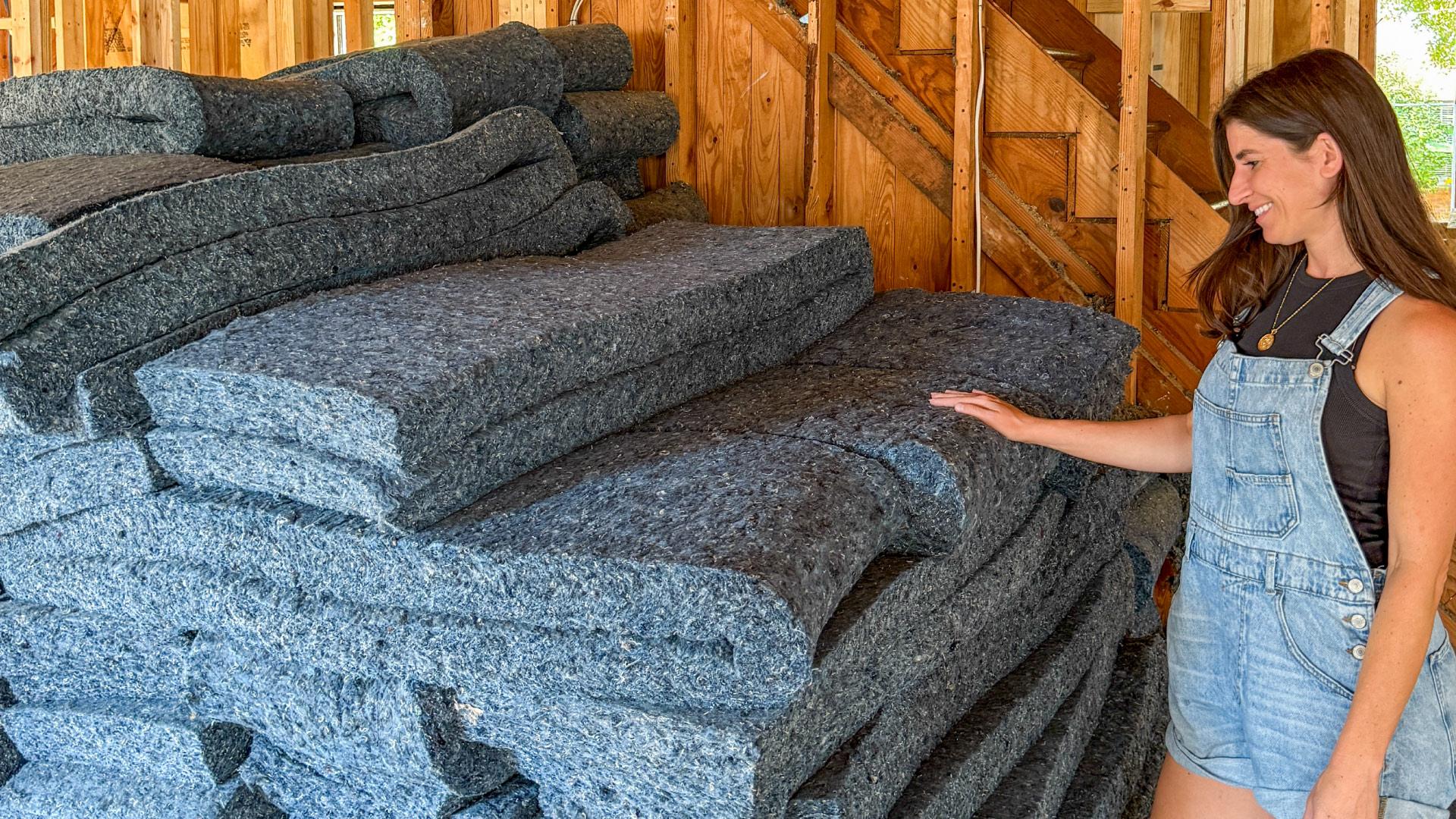
Dense fiber insulations such as Quiet Denim do not rely on on-site chemical curing, removing concerns tied to off-ratio mixing, shrinkage, or lingering odors.
Where Quiet Denim Fits Cleanly In Typical Framing
Quiet Denim’s friction-fit design installs cleanly within standard framing, provides strong noise absorption, and avoids the access and fire-barrier complications common with spray foam in occupied spaces.
How This Reduces Remediation Risk
For interior applications where predictability, indoor air quality, and occupant comfort matter, this approach lowers the likelihood of future remediation and avoids the cascading cost of spray foam repair entirely.
Choose A Safer Insulation Path Before Spray Foam Locks In The Risk
Spray foam can deliver strong insulation performance, but only when installation conditions are tightly controlled. From spray foam safety failures to structural and indoor air quality concerns, small errors often escalate into major expenses. Homeowners evaluating insulation for interior spaces should consider materials that offer reliable performance with fewer risks, lower disruption, and more predictable long-term outcomes before committing to spray foam.