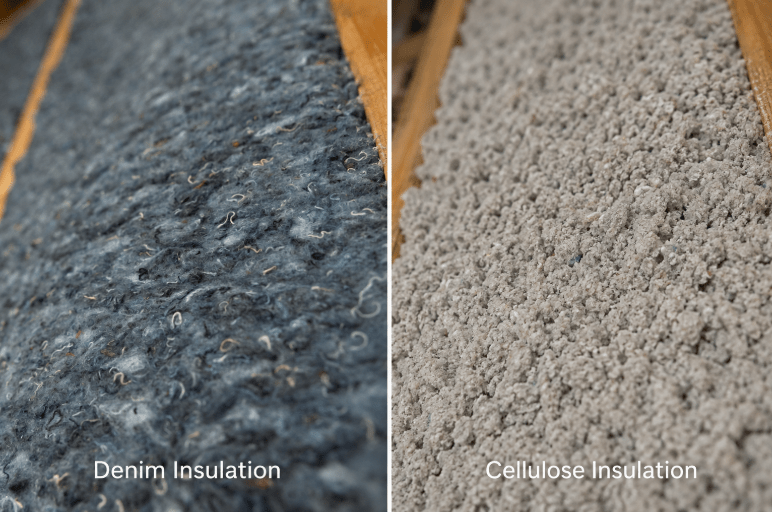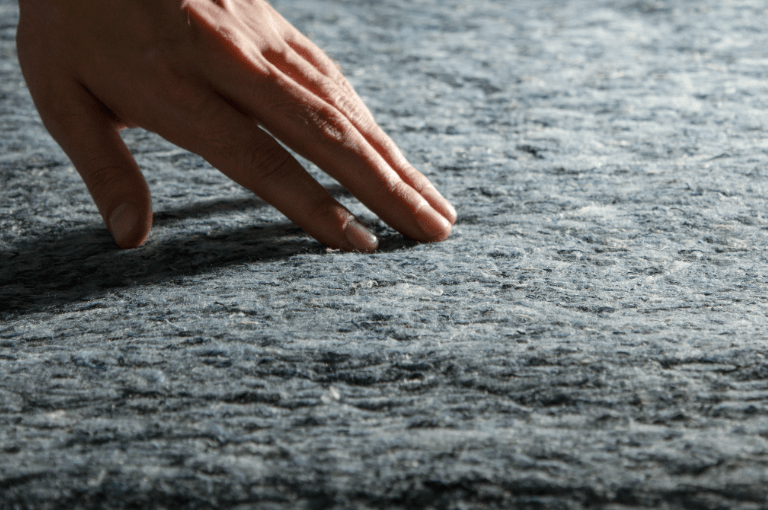
As demand for sustainable buildings grows, insulation choices play a bigger role in how projects pursue environmental certifications and long-term performance goals. Designers and developers increasingly evaluate insulation based on material sourcing, indoor air quality impact, and compatibility with sustainability frameworks rather than thermal performance alone. Within that shift, insulation selection has become a meaningful factor in how LEED certified buildings are planned, documented, and delivered.
What Is LEED and Why It Matters
LEED provides a standardized framework for evaluating how design decisions translate into measurable environmental and occupant outcomes across different building types.
How LEED Evaluates Building Performance
LEED, or Leadership in Energy and Environmental Design, is a widely used green building rating system that evaluates how buildings perform across environmental and human health criteria. Rather than focusing on a single metric, LEED assesses materials, energy use, indoor environmental quality, and overall sustainability through a structured credit-based framework.
Project Applicability and Incentive Considerations
The system applies to new construction, major renovations, and both commercial and residential project types. Because LEED evaluates performance holistically, individual material selections, such as insulation, can influence multiple credit categories when they align with documented sustainability goals. In some regions, projects that achieve LEED certification may also qualify for green building tax credits or related incentives, reinforcing the importance of selecting materials that support compliance, documentation, and long-term building performance.
How Denim Insulation Supports LEED Certification
Products like Quiet Denim insulation contribute across several green building credit categories by addressing material transparency, occupant health, and building envelope performance together. Within LEED certified buildings, insulation selection supports credit pathways and performance objectives when material attributes are evaluated alongside system design rather than in isolation.
Materials and Resources (MR Credits)
This category evaluates how material selection affects sourcing transparency, recycled content, and construction waste outcomes across the project lifecycle.
Recycled Content and Responsible Sourcing
The Materials and Resources category emphasizes responsible sourcing, recycled content, and waste reduction. Denim insulation aligns with these priorities through its material composition and manufacturing profile. Quiet Denim is made from 100% by weight recycled material, allowing it to factor into recycled content considerations for LEED certified buildings pursuing material responsibility goals.
By diverting textile waste from disposal streams and incorporating reclaimed fibers into a durable insulation product, denim insulation supports broader efforts to reduce reliance on virgin raw materials.
Waste Reduction and Material Efficiency
Projects focused on construction and demolition waste management may also find denim insulation compatible with those objectives. Its use reflects a material strategy centered on reuse and resource efficiency, both of which are encouraged within LEED’s Materials and Resources framework.
Indoor Environmental Quality (EQ Credits)
Indoor Environmental Quality credits focus on how interior materials influence health, comfort, and usability after a building is occupied, making insulation selection a long-term consideration rather than a short-term construction decision.
Low-Emitting Materials and Indoor Air Quality
Indoor Environmental Quality credits address how materials affect occupant health and comfort once a building is occupied. Insulation plays a lasting role in this category because it remains enclosed within wall and ceiling assemblies for the life of the building. Quiet Denim insulation is formulated to be low in volatile organic compound emissions and free of formaldehyde.
These characteristics support low-emitting material strategies commonly applied in LEED certified buildings, helping limit off-gassing and reduce long-term chemical exposure in occupied spaces.
Acoustic Comfort in Occupied Spaces
Acoustic performance also influences indoor environmental quality. Denim insulation’s sound-absorbing properties within wall and ceiling assemblies help reduce noise transmission through wall and ceiling cavities, contributing to acoustic comfort in schools, offices, multifamily buildings, and other high-occupancy environments where sound control affects usability.
Energy and Atmosphere (EA Credits)
Energy and Atmosphere credits evaluate how building assemblies and systems work together to reduce energy demand, making insulation a supporting component within a broader performance strategy.
Envelope Efficiency and Thermal Contribution
The Energy and Atmosphere category focuses on reducing energy demand and improving overall efficiency through integrated building strategies. Insulation supports this effort by contributing to consistent thermal performance within the building envelope. When installed in conditioned walls and ceilings, denim insulation helps limit heat transfer and stabilize interior temperatures.
In a LEED building, this contribution supports energy modeling efforts that evaluate how envelope components work together to reduce heating and cooling loads rather than relying on a single material to drive performance.
System Integration and Performance-Based Evaluation
Because EA credits are performance-based, insulation selection must be coordinated with air sealing, continuity, and system design. Denim insulation functions as part of that integrated approach rather than as a standalone solution, reinforcing the importance of assembly-level performance rather than isolated material metrics.
Innovation in Design
LEED’s Innovation category allows teams to pursue credits for strategies that extend beyond baseline requirements or demonstrate alternative sustainability approaches. The use of high-performance insulation made from recycled, low-toxicity materials can support innovation narratives when aligned with broader project goals.
Denim insulation may contribute to innovation strategies by demonstrating how material selection addresses resource conservation, indoor air quality, and occupant comfort together. These credits are evaluated on a project-specific basis and depend on how insulation fits into the overall sustainability strategy.
Other Green Building Incentives & Programs
Beyond LEED, denim insulation aligns with multiple green building frameworks that prioritize health, efficiency, and responsible material use, even though each program applies different certification criteria and evaluation methods.
WELL Building Standard
The WELL Building Standard prioritizes occupant health and indoor environmental quality as primary performance outcomes. Denim insulation’s low-emitting formulation and acoustic performance align with WELL objectives related to air quality and sound control in occupied spaces, where material behavior directly affects comfort and usability.
Enterprise Green Communities Criteria
Enterprise Green Communities criteria emphasize material health, durability, and long-term livability in residential developments, particularly affordable housing. Denim insulation’s recycled content and indoor air quality characteristics align with these priorities, making it relevant for high-occupancy residential projects where durability and occupant well-being are closely linked.
Green Building Incentives and Tax Programs
Incentive programs tied to green building credits, including green building tax credits and green building tax benefits, vary by region and project type. For qualifying LEED certified buildings, insulation materials with documented sustainability attributes may support eligibility when evaluated as part of the overall project submission and incentive documentation process.
Why Choose Denim Insulation for Sustainable Projects
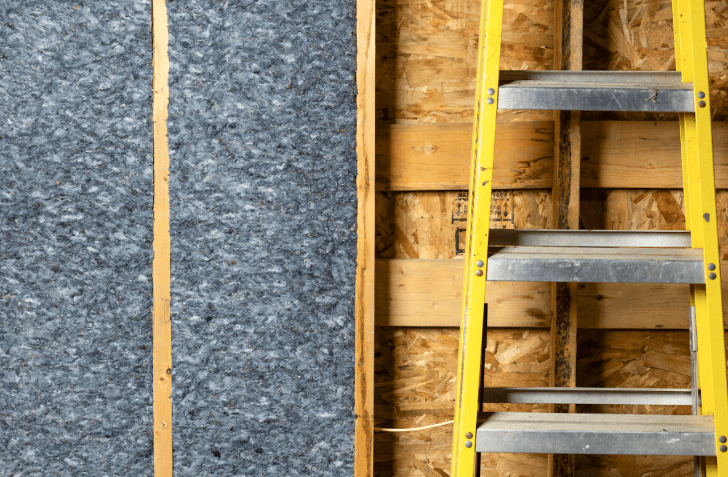
Material selection on sustainability-driven projects often comes down to how well a product supports environmental goals, occupant experience, and construction practicality at the same time.
Environmental Performance and Occupant Comfort
Quiet Denim is made from post-industrial recycled materials, supporting resource conservation and waste reduction goals. Its sound-absorbing properties help create quieter interior environments, which is especially important in schools, offices, multifamily buildings, and other LEED certified buildings where occupant comfort is a priority. The material’s low VOC formulation and absence of formaldehyde help protect indoor air quality over the life of the building.
Installation Practicality and Predictable Outcomes
Installation considerations also matter on sustainability-focused projects. Its friction-fit design makes for an extremely simple install, and it’s safe to handle and easy to install. These characteristics support predictable installation outcomes without introducing additional environmental or logistical burdens during construction.
Partner With Quiet Denim for LEED-Aligned Sustainable Insulation
Quiet Denim insulation checks all the boxes for sustainability-driven projects by supporting indoor air quality, responsible material use, and long-term building performance within established green building frameworks. From air quality considerations to resource conservation goals, it provides a practical path toward achieving green building credits without added complexity.
For architects and developers, Quiet Denim is a specification-ready insulation option suited for LEED-aligned projects. Contact us today for more information.