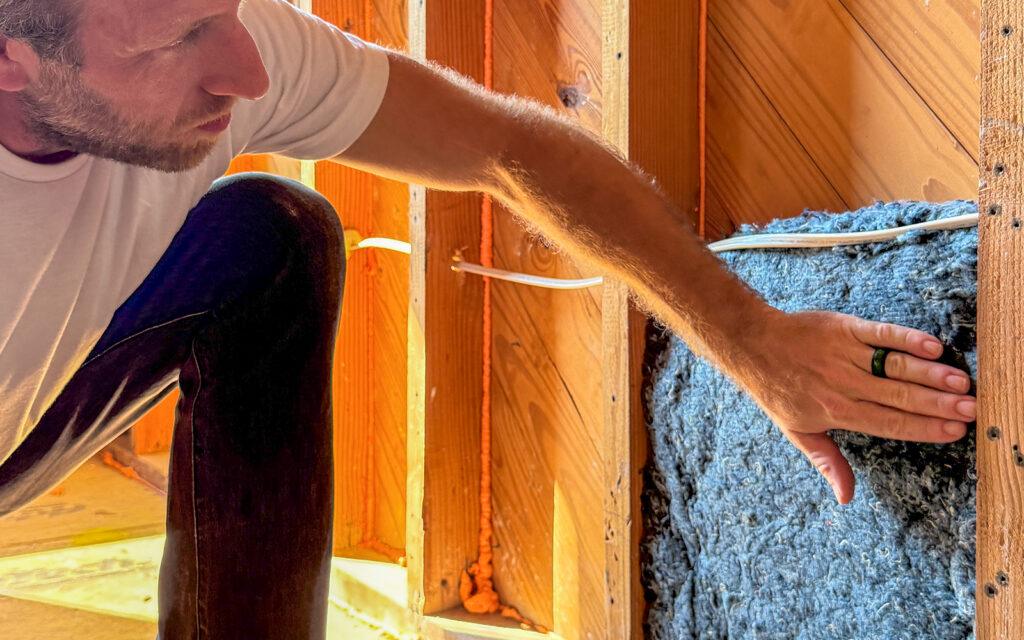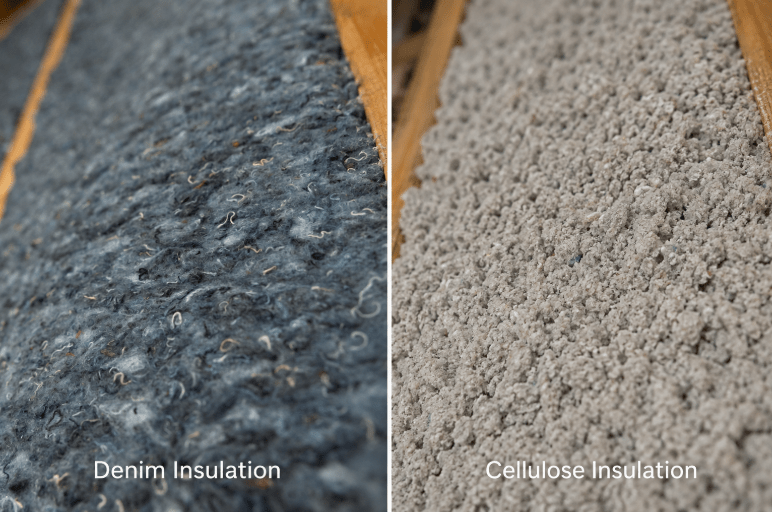
Starting an insulation project often feels more complicated than it needs to be. Many homeowners assume the first step involves buying special gear, protective clothing, and unfamiliar equipment before any work can begin. That assumption shapes how people think about insulation tools, even before they look at the insulation itself.
Those expectations often come from past experiences or stories about insulation being uncomfortable to handle, shaping how people approach preparation before work even begins.
Denim insulation shifts that starting point. Planning centers on measuring and cutting with tools most homeowners already recognize. Learning how to install denim insulation often brings relief once the process feels familiar and manageable rather than equipment-heavy.
Basic Tools for Installing Denim Insulation
Installing denim insulation relies on a small set of familiar insulation tools that prioritize accurate fit and consistent placement rather than specialized equipment or added setup.
Measuring Tape
Accurate measurement comes first and sets the tone for a smooth install. Stud bays vary slightly from one cavity to the next, especially in older homes or remodeled spaces. Measuring each bay individually ensures the insulation fits correctly instead of being forced into place. A standard tape checks width and height before cutting, which helps prevent gaps without slowing progress.
Serrated Insulation Knife (or Bread Knife in a Pinch!)
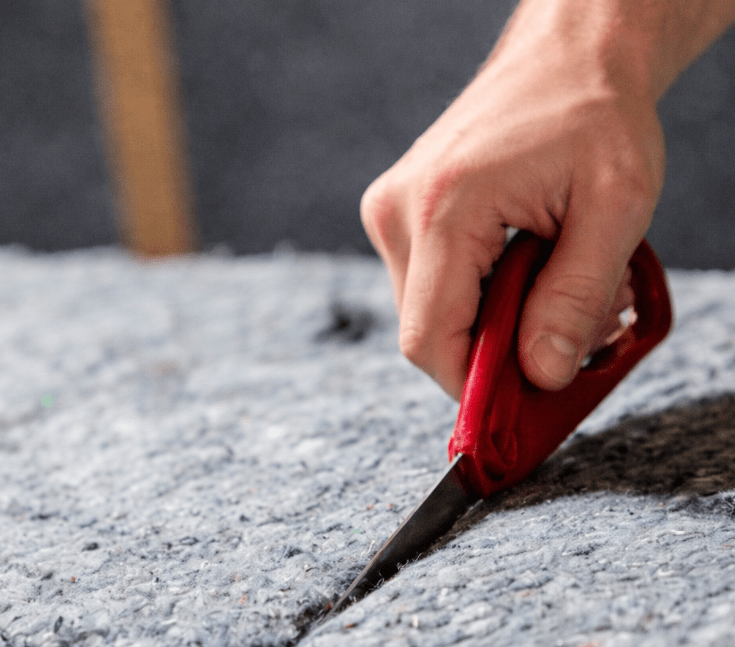
With measurements set, cutting comes next. Denim batts cut cleanly with a serrated insulation knife or a serrated bread knife, trimming to size without tearing or compressing the material. Clean cuts make placement easier and reduce the need for rework once the batt is in the cavity. Sharp blades also help maintain a steady pace during larger installs.
Straight Edge or Ruler
A straight edge or ruler adds control when making cuts. Following a firm guide produces cleaner edges and a more even fit across the cavity. Clean, consistent edges allow the insulation to sit flush from top to bottom, avoiding small alignment issues that can compound across multiple bays.
Staple Gun (Optional)
Some wall assemblies add a vapor barrier or facing after insulation. In those cases, a staple gun secures materials to framing members. For unfaced denim batts, fastening usually isn’t needed. The batt holds in place on its own, which keeps the list of required insulation tools short and predictable.
Minimal Safety Gear Required
Because denim insulation installs comfortably under typical handling conditions, the same basic insulation tools used for measuring and cutting remain sufficient throughout the job, without adding protective equipment to the workflow.
Safety Glasses (Optional)
Eye protection remains a personal choice when cutting overhead or working in tight spaces. Safety glasses can add peace of mind in those situations, particularly if they’re already part of a standard toolkit. For most wall installs at eye level, they remain optional rather than expected.
Dust Mask (Optional)
Cutting denim insulation can release small amounts of airborne fibers, which may cause mild respiratory irritation. While not a serious concern, wearing a dust mask during cutting is a good precaution.
Work Gloves (Optional)
Handling comfort matters as work continues. Denim insulation stays soft and flexible, making placement comfortable and easy to adjust. Gloves may be worn for grip or habit, but they aren’t needed to prevent irritation. Direct handling often helps with positioning and reduces fatigue over longer sessions.
Product Quality and Safety: Why Tool Choice Matters
Selecting the right insulation tools isn’t just about convenience; it’s about ensuring every step of your project is safe, efficient, and delivers the best possible results. High-quality tools help maintain accuracy, prevent unexpected mishaps, and support a healthier work environment.
Why Quality Tools Make a Difference
Using quality tools has a direct impact on the final outcome of an insulation project. Well-made measuring tapes, knives, and straight edges allow for precise cuts and proper fits, which helps prevent gaps and wasted material. Durable tools with comfortable grips and reliable blades are easier to control, lowering the risk of slips or injuries during use. Investing in professional-grade or trusted brands also improves long-term reliability, reducing breakdowns and keeping projects moving smoothly. High-quality insulation tools are also less likely to break or shed, helping maintain a cleaner and more organized workspace.
Safety Features to Look For
Safety-focused design should always be a priority when choosing insulation tools. Non-slip, ergonomic handles help maintain control, even when working overhead or in tight spaces. Knives and saws that include protective blade covers or guards improve safety during storage and between uses. Choosing tools made from certified and tested materials adds another layer of protection by reducing the risk of chemical exposure or unexpected tool failure, supporting a safer jobsite overall.
Skip These: Tools You Don’t Need with Denim Insulation
Many insulation projects assume additional equipment is required during planning, but denim insulation keeps the list of necessary insulation tools limited to measuring, cutting, and placement rather than specialized protective gear.
Respirators or Full Face Masks
These are common with materials that release particles or fumes. Most denim insulation installs do not require specialized respiratory protection when handled under normal jobsite conditions, which simplifies preparation before work begins.
Tyvek Suits or Full-Body Protective Clothing
Such suits shield against irritants found in some insulation products. With denim insulation, standard work clothes are sufficient. This makes the project feel more approachable and avoids the setup and cleanup associated with protective clothing.
Heavy-Duty Work Gloves
Thick gloves are often tied to materials that irritate skin. Denim insulation doesn’t create that irritation. Installers may still choose gloves for grip or habit, but they aren’t required for safe handling or comfort.
Specialized Ventilation Equipment
Some installs need added airflow to manage odors or particles. Low VOC characteristics help limit noticeable odors during installation, which is especially helpful in occupied homes or remodels where work continues alongside daily activity.
Why Denim Insulation Is So Easy to Work With
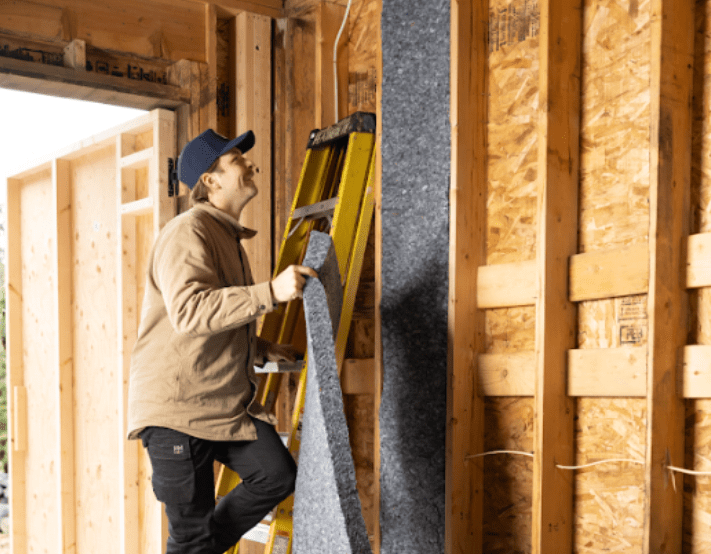
- Made from post-industrial recycled denim
The material uses recycled denim fibers, giving it a soft, familiar feel during installation. - Contains no fiberglass or formaldehyde
Without fiberglass fibers or formaldehyde, the insulation avoids common sources of irritation. - Low VOC formulation
Low VOC characteristics support comfortable indoor use, making the material well-suited for homes, remodels, and occupied spaces. - Installs without complex protective or ventilation planning
The material does not introduce airborne fibers or strong odors, simplifying preparation. - Well-suited for DIYers, remodelers, and health-conscious builders
Predictable handling and installation scale across small rooms and full-home projects.
Install Quiet Denim Insulation With Confidence
With just a few standard insulation tools, installing denim insulation stays straightforward from start to finish. Comfortable handling and a predictable fit support steady progress on both small projects and full-home installs. Quiet Denim keeps the focus on the work without adding unnecessary complexity.