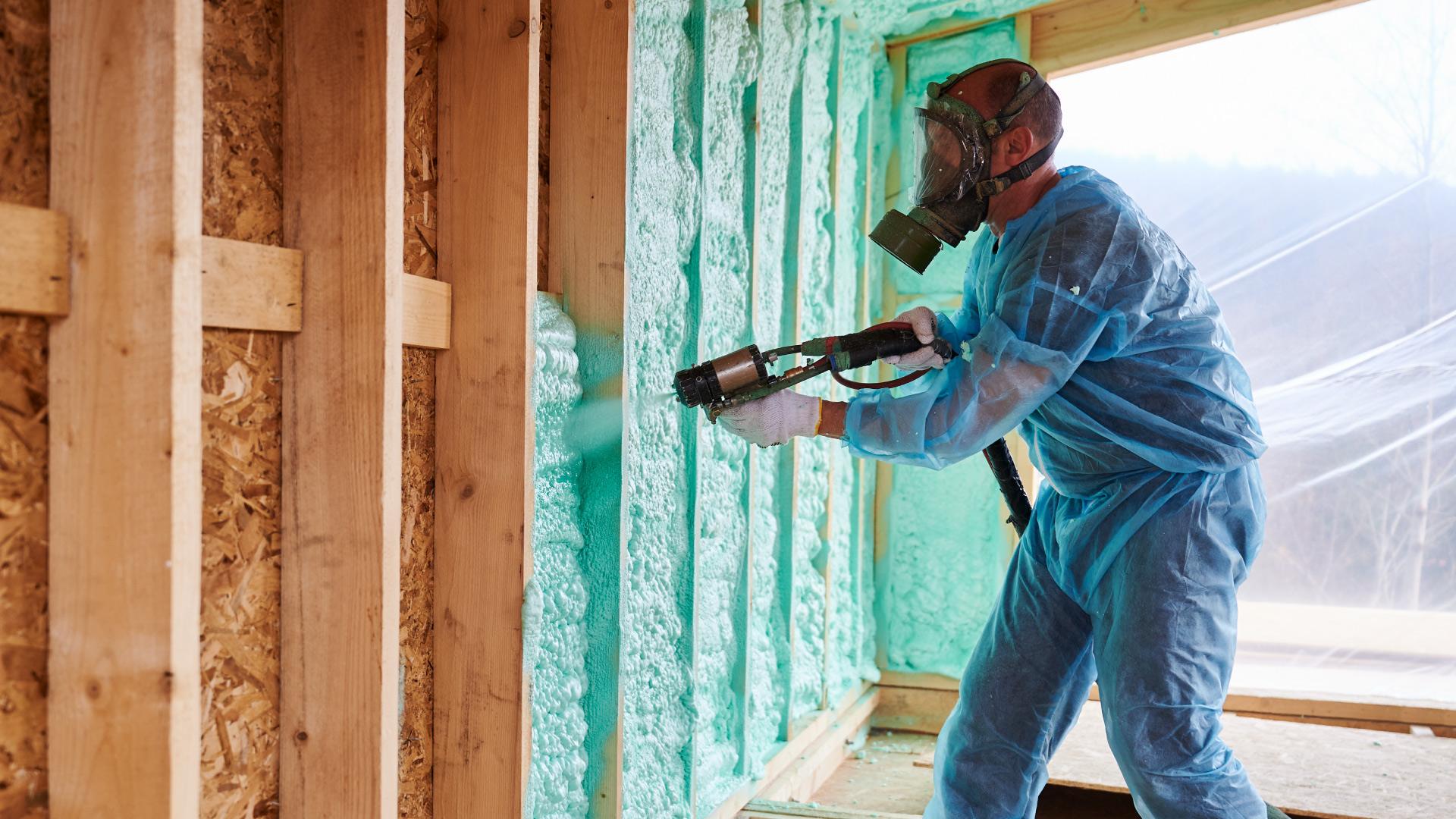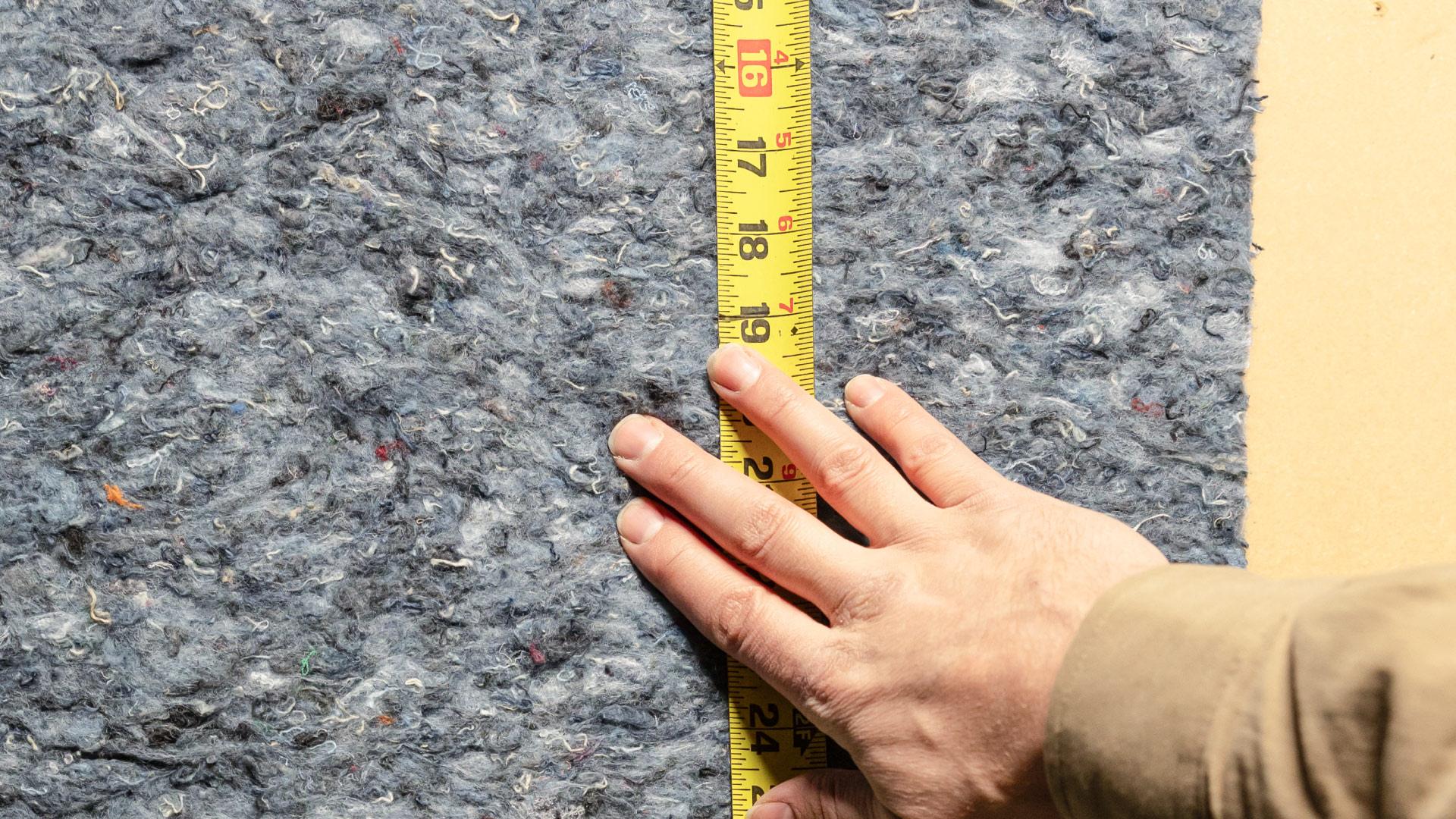
Noise control is easiest to address before drywall and finishes lock assemblies in place. New residential framing keeps cavities accessible and sequencing predictable, which allows acoustic details to be designed rather than patched later. Denim insulation is a practical specification choice for soundproof room new construction because its dense fiber structure supports quieter partitions and floor-ceiling systems without changing framing layouts.
Why Prioritize Soundproofing In New Construction
Soundproofing decisions made during framing shape how noise moves through the home long after finishes are installed.
Open Layouts Increase Sound Travel
Modern home layouts change how sound behaves indoors. Open-concept plans reduce the number of partitions that once helped interrupt noise paths, allowing voices, televisions, and music to travel farther across connected spaces. Tall ceilings and long sightlines extend that carry, especially when hard finishes reflect sound back into living areas.
Multi-Story Homes Need Floor-To-Floor Separation
Multi-story homes introduce vertical sound transfer through floor assemblies and framing connections. Footfall vibration, conversations, and mechanical noise can migrate between levels when separation is minimal. Spaces such as home offices, nurseries, and media rooms also require privacy that basic insulation often cannot deliver on its own.
Building It In Costs Less Than Retrofitting
Retrofitting for sound control after construction adds cost and disruption. Opening finished walls and ceilings means demolition, patching, and rework. Building noise control into your new construction plan helps avoid those issues by integrating acoustic performance while assemblies are still open and accessible.
Planning and Design Considerations for Soundproofing New Construction
Effective soundproofing starts with careful planning. Before selecting materials or building assemblies, consider these key factors to ensure your soundproofing approach matches your needs:
Assess Noise Level Requirements
- Identify the types and sources of noise expected in each space, such as conversation, music, foot traffic, or mechanical systems.
- Determine whether you need basic noise reduction or high-performance sound isolation, especially for spaces like home offices, bedrooms, or media rooms.
Define the Building’s Purpose and Occupant Needs
- Consider how each room will be used. A nursery, studio, or shared wall between units may require higher sound isolation than a hallway or storage area.
- Review any local regulations or building codes that specify minimum sound ratings for certain spaces, especially in multi-family or commercial buildings.
Set a Realistic Budget
- Soundproofing solutions range from simple upgrades to advanced assemblies. Determine your budget early to prioritize where higher investment is needed most.
- Allocating resources to the most critical areas, such as bedrooms, offices, or shared walls, can maximize comfort without overspending.
Identify Priority Areas for Soundproofing
- Map out which floors, walls, or rooms are most vulnerable to noise transfer based on layout and adjacency.
- Pay special attention to rooms that require privacy or quiet, and plan for enhanced soundproofing in these zones.
By addressing these planning and design considerations at the start, you’ll create a targeted soundproofing plan that delivers comfort and value where it matters most.
How Denim Insulation Supports Soundproof Construction

Denim insulation controls sound by changing how vibration and airborne noise behave inside framing cavities.
Sound Absorption Inside Framing Cavities
Denim insulation is designed to absorb sound energy inside wall and floor cavities. Dense cotton fibers dampen noise transfer, which supports quieter assemblies without the need to change framing or dimensions or construction sequencing.
Performance In Walls And Floor-Ceiling Assemblies
This level of performance is especially useful in privacy partitions and sound-sensitive wall assemblies in new construction, where reducing speech transfer between neighboring rooms makes a noticeable difference. In joist bays, denim insulation helps dampen sound transmission, contributing to improved acoustic separation in soundproofed ceilings and floors in new builds, though some noise transfer through joists and drywall should still be expected. Coverage that stays tight around transitions and service runs will maximize this dampening effect.
Measured Acoustic Capability
Quiet Denim carries a tested NRC rating of 1.05, reflecting strong sound absorption across common residential frequencies. Fully filled cavities with insulation held snug to the framing lead to more consistent and long-lasting soundproof room results in new construction.
Where To Use Denim For Soundproofing In New Homes
Sound control is most predictable when denim insulation is placed where framing cavities connect directly to occupied spaces.
Soundproof Walls
Interior partitions are the most direct path for room-to-room noise. Denim insulation is well-suited for:
- bedroom-to-bathroom partitions
- laundry rooms and mechanical-adjacent walls
- home office and nursery separations
These placements support soundproof room new construction goals without increasing wall thickness or requiring specialty framing methods.
Between Floors
Floor assemblies transmit both airborne sound and impact noise. Installing denim insulation between joists reduces how easily sound moves between stacked living spaces, which is especially important in multi-level homes, duplexes, and rental units. Early installation helps maintain continuous coverage before mechanical systems complicate access.
Soundproof Rooms
Dedicated quiet spaces benefit most when sound control is planned as part of the initial build. Denim insulation supports:
- home offices where conversations need containment
- Music or recording rooms with controlled acoustics
- Guest rooms and in-law suites where separation improves comfort
Acoustic performance in new construction is maximized when insulation is paired with sealed penetrations and well-fitted doors.
Key Benefits Of Using Denim Insulation In New Construction
Quiet Denim is made from post-industrial recycled denim and is safe to touch, formaldehyde-free, low in VOCs, fire-rated, and mold and mildew growth resistant. These characteristics align the product with indoor-environment priorities during construction and long after occupancy.
- Denim insulation provides thermal insulation alongside sound absorption, simplifying specifications when assemblies need both behaviors.
- Its friction-fit design makes for an extremely simple install, fitting cleanly into standard framing workflows.
- It’s safe to handle and easy to install, which supports consistent productivity on active jobsites.
Because the material contains recycled content, some projects may be able to pursue sustainability goals such as LEED contributions or other green-building incentives. Eligibility varies by program and jurisdiction, so builders should verify local and federal options before representing any credit or tax benefit as guaranteed.
Pro Tips For Building With Denim Insulation
Soundproofing performance depends on continuity across the full assembly, not insulation alone.
Seal The Assembly To Prevent Sound Leaks
Effective sound control depends on assembly continuity. Solid-core doors, perimeter gaskets, and acoustic sealant at plates and penetrations reduce leakage at common weak points. Electrical boxes and plumbing runs should be detailed carefully so cavities do not become sound chases.
Maintain Full Cavity Fill Without Compression
Cavity fill quality matters. Batts should fit snugly against studs, plates, and blocking without compression, since crushed material reduces absorption and leaves edge gaps that transmit noise. Higher-performance walls may combine denim insulation with resilient channel or double-layer drywall when acoustic targets are more demanding.
Coordinate HVAC And Exterior Assemblies
Mechanical systems also influence perceived quiet. Coordinating HVAC layouts, limiting long duct runs, and isolating equipment helps prevent system noise from undermining soundproof room new construction efforts. For the ultimate sound-proof home, build the exterior with Fox Blocks ICFs (insulated concrete forms).
Best Practices and Common Mistakes in Soundproofing New Construction

Building a soundproof room during new construction is the ideal opportunity to get noise control right, but only if you follow proven best practices and avoid frequent pitfalls.
Best Practices
- Seal All Gaps and Penetrations: Even the best insulation can’t stop sound leaks through unsealed electrical boxes, plumbing penetrations, or gaps at the perimeter. Use acoustic sealant and gaskets to maintain a continuous barrier.
- Install Insulation Without Compression: Always friction-fit denim batts snugly, but never force or compress them. Compression reduces sound absorption and can leave gaps that transmit noise.
- Detail Doors and Windows Carefully: Solid-core doors and perimeter gaskets are essential. Pay attention to door thresholds and window frames, as these are common weak points.
- Coordinate Trades Early: Communicate soundproofing goals to all contractors, especially HVAC, electrical, and plumbing, so penetrations are minimized and properly sealed.
Build Quieter Homes By Specifying Quiet Denim Insulation Early
Soundproofing during new construction is the most efficient and cost-effective time to control noise because wall, ceiling, and floor cavities are open, and acoustic continuity can be built in before finishes restrict access. Denim insulation offers a high-performance, health-conscious option for acoustic comfort, pairing strong sound absorption with thermal performance and a material profile suited to occupied residential environments.
Projects that include a quiet home office, a more private bedroom area, or a multi-level layout see stronger soundproof room results in new construction when acoustic materials are specified early, with Quiet Denim offering a practical, spec-ready solution for improved sound control.