As sustainable design becomes mainstream, insulation is no longer evaluated solely by R-value. Health considerations, environmental impact, and long-term performance increasingly influence how builders and homeowners assess materials once a building is occupied. This article explores why eco-friendly insulation is gaining momentum in both residential and commercial construction and how material selection now affects comfort, air quality, and sustainability together.
What Is Eco-Friendly Insulation?
This insulation category is typically made from natural, recycled, or renewable materials rather than virgin petrochemical inputs. While material sourcing is important, emissions behavior inside the building envelope plays an equally critical role once walls and ceilings are closed.
Low volatile organic compound content limits chemical emissions that can degrade indoor air quality over time. Formaldehyde-free formulations further reduce off-gassing in enclosed spaces where occupants spend extended periods. Many eco-conscious insulation products are also designed with end-of-life considerations in mind, offering recyclability or reduced landfill impact compared to conventional insulation materials.
Why Eco-Friendly House Insulation Is in High Demand
Several converging factors are reshaping how homeowners and builders evaluate insulation materials, shifting demand toward options that prioritize health, emissions control, and long-term livability rather than single performance metrics.
Indoor Air Quality and Health Awareness
Consumers increasingly prioritize indoor air quality and healthier living environments when making construction and renovation decisions. Awareness around how materials influence daily comfort has expanded, particularly among households with children or occupants sensitive to airborne irritants. Because insulation remains in constant contact with occupied spaces, material selection now receives greater scrutiny than in past construction cycles.
Tighter Homes and Reduced Air Exchange
Homes are also being built more tightly to meet energy efficiency goals. As air exchange decreases, materials inside wall and ceiling assemblies stay in closer contact with occupants for longer periods. Odors linger, airborne particles circulate more predictably, and material emissions become easier to detect. In these conditions, low-emission insulation materials contribute to more stable indoor environments without relying on increased ventilation to offset material behavior.
Codes, Standards, and Builder Differentiation
As energy codes and green building frameworks continue to evolve, insulation materials that demonstrate lower emissions and responsible sourcing are increasingly favored during product selection, reinforcing demand for healthier options at the design and construction stages. Builders respond to these expectations by specifying health-conscious materials that help differentiate projects in markets where sustainability and long-term performance increasingly influence buyer decisions.
Benefits of Eco-Friendly Insulation for Homes and Buildings
Eco-friendly insulation is evaluated based on its impact on occupant comfort, environmental responsibility, and durability once installed. Each benefit category reflects a different dimension of long-term building performance.
Healthier Indoor Environments
Low volatile organic compound (VOC) content contributes to improved indoor air quality by limiting chemical emissions after installation. Formaldehyde-free materials further reduce exposure risks in bedrooms, shared living areas, and other spaces where occupants spend significant time. Together, these characteristics promote healthier interiors without adding complexity to mechanical ventilation strategies.
Reduced Environmental Impact
Many materials in this category are manufactured with recycled or repurposed content, diverting waste from landfills and reducing demand for new raw materials. In addition, less energy-intensive manufacturing processes can lower associated emissions before products reach the jobsite. These upstream decisions reduce environmental impact without changing how a space functions day to day.
Long-Term Performance
Long-term performance depends on consistency after installation. Eco-friendly insulation is expected to maintain its shape, fit, and effectiveness rather than settling or degrading inside wall cavities. Many materials also provide both thermal and acoustic benefits, allowing interior spaces to remain quieter and more comfortable as buildings age. Durable insulation minimizes maintenance concerns while supporting stable indoor conditions over time.
Why Denim Insulation Stands Out
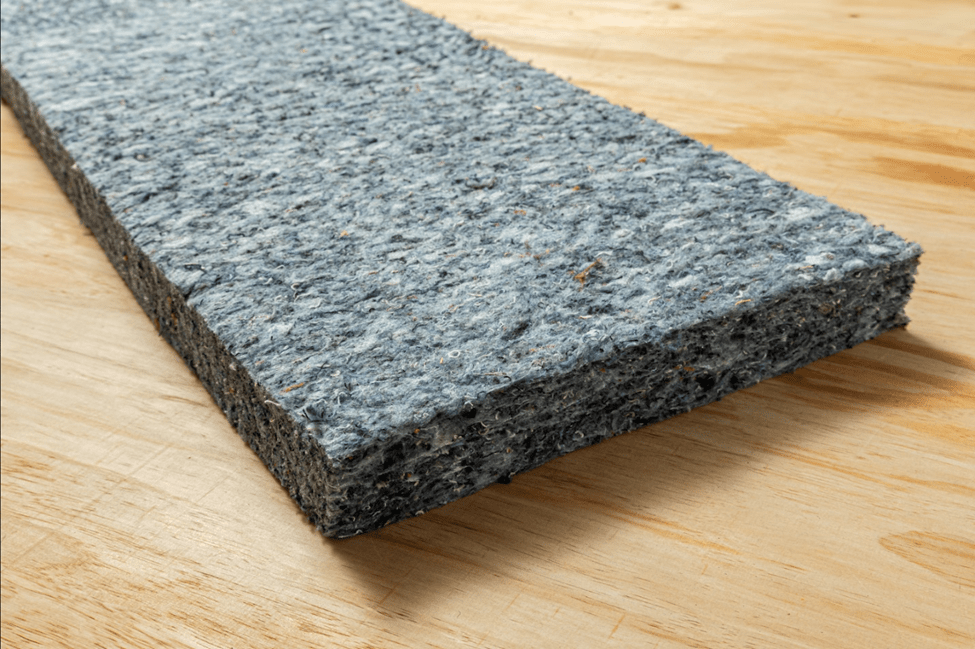
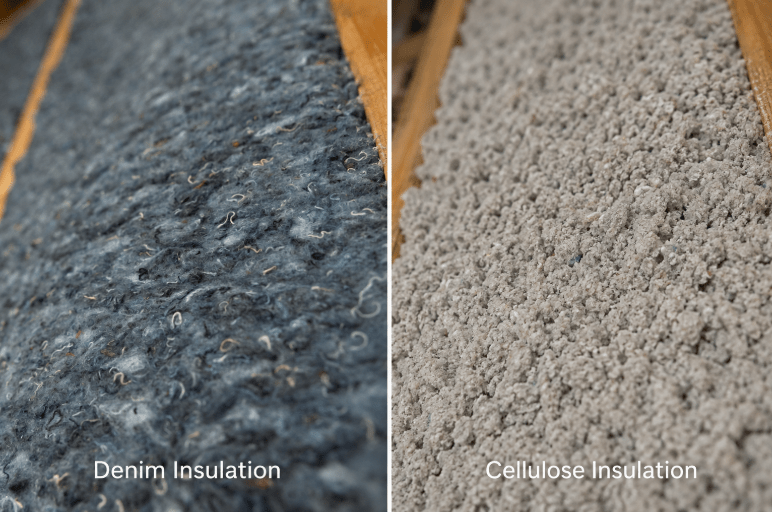
Denim insulation aligns with modern interior performance expectations by addressing comfort, health, and sustainability through material behavior rather than surface attributes.
Sound Absorption and Thermal Contribution
Denim insulation delivers both sound absorption and thermal performance, with acoustic control playing a central role in interior comfort. Its dense, fibrous structure reduces noise transfer through interior walls and between floors, supporting quieter bedrooms, shared living spaces, and home offices where sound movement directly affects daily use.
Material Sourcing and Indoor Air Quality
Made from post-industrial recycled denim, the material gives discarded textiles a second life within building assemblies. It is safe to touch, low in VOCs and formaldehyde-free, contributing to healthier indoor air quality once installed. Fire resistance and mold and mildew growth resistance are achieved through applied treatments, ensuring reliable performance without relying on inherent material properties.
Installation Simplicity and Interior Applications
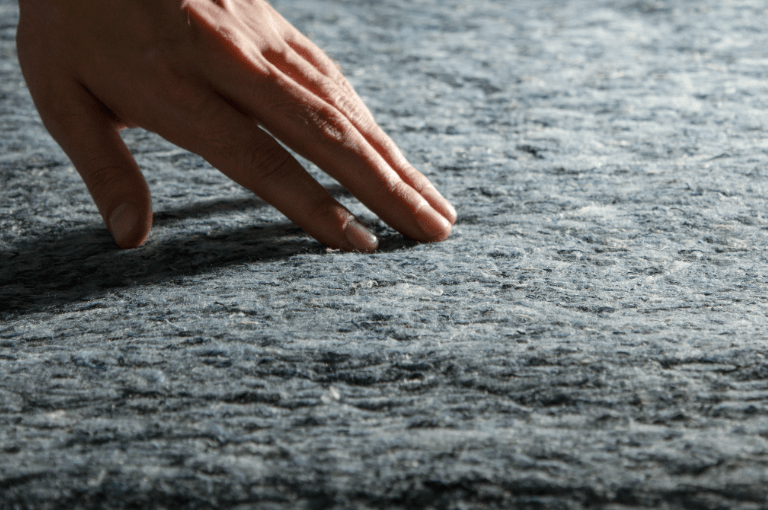
Denim insulation is naturally itch-free and safe to handle, making installation in occupied or finished spaces easier. Its friction-fit batt design allows for efficient placement in interior walls and ceilings between floors without specialized tools or handling requirements, while maintaining consistent coverage once enclosed.
Applications for Eco-Friendly Insulation
Eco-friendly insulation is commonly used in areas where comfort and health are most noticeable. Interior walls benefit from improved acoustic separation in bedrooms, offices, and shared living spaces. Ceilings between floors gain added sound control that reduces footfall noise and activity transfer in multistory homes.
Multifamily projects and commercial interiors focused on wellness and green building standards also prioritize these applications to support occupant satisfaction and long-term performance.
The Future of Construction Is Healthier and Smarter
Green building codes and energy standards continue to evolve, placing greater emphasis on material sustainability and occupant health. Materials that perform reliably while aligning with environmental goals are increasingly favored in both residential and commercial specifications.
Products such as denim insulation meet multiple priorities at once, addressing performance, safety, and environmental responsibility within a single material choice.
Choose Quiet Denim for Healthier, More Comfortable Interiors
Eco-friendly insulation is more than a trend. It reflects a shift toward safer, smarter material choices for modern buildings. As awareness grows, builders and homeowners are moving away from traditional insulation options in favor of alternatives that promote cleaner indoor air and long-term comfort. Denim insulation stands out in this transition by combining sound control, sustainability, and occupant-friendly performance. Contact us today for more information.