From street noise to loud neighbors, effective room soundproofing creates a quiet space for sleep, work, or music. The key is using materials and methods that stop sound transmission and reduce unwanted noise within a space.
This guide walks you through how to soundproof a room—from sealing gaps to using high-performance insulation like Quiet Denim.
How Sound Travels & Why It Matters
Sound travels in two main ways: airborne noise and structure-borne noise. Airborne sounds—like voices, traffic, or barking dogs—travel through open air and can slip through cracks, outlets, and thin walls. Structure-borne noise, on the other hand, comes from vibrations that pass through solid materials like framing, pipes, or floor joists.
Where Sound Gets In—and Out
Common sound leakage points include walls with hollow cavities, doors and windows with poor seals, and floors or ceilings that carry impact noise between levels. Electrical boxes, HVAC vents, and light fixtures also act as unexpected sound paths—small gaps that let airborne noise travel from room to room. These openings may seem minor, but they add up to a noticeable drop in sound control.
If you’re wondering how to soundproof a room effectively, you need to block noise and absorb it. Adding mass, sealing gaps, and using acoustic insulation all contribute to a more comfortable, quieter space.
Best Ways to Soundproof a Room (Layered Approach)
No single product will make a room completely soundproof. The best way to soundproof a room is through layers—sealing, insulating, adding mass, and managing acoustics.
Seal Gaps and Air Leaks
Even small cracks can let in a surprising amount of noise. Start with weatherstripping around doors and windows to create tighter seals. For wall penetrations like outlets, HVAC vents, and lighting junctions, use acoustic caulk or spray foam to eliminate gaps. These simple steps provide the first line of defense.
Add Mass to Walls and Ceilings
Sound has a harder time passing through heavy, dense materials. You can reinforce walls by adding mass-loaded vinyl (MLV) behind the drywall or using double layers of drywall with a damping compound like Green Glue sandwiched in between. These upgrades are key if you’re learning how to soundproof a room using added mass and density.
Insulate Interior Walls with Soundproofing Materials
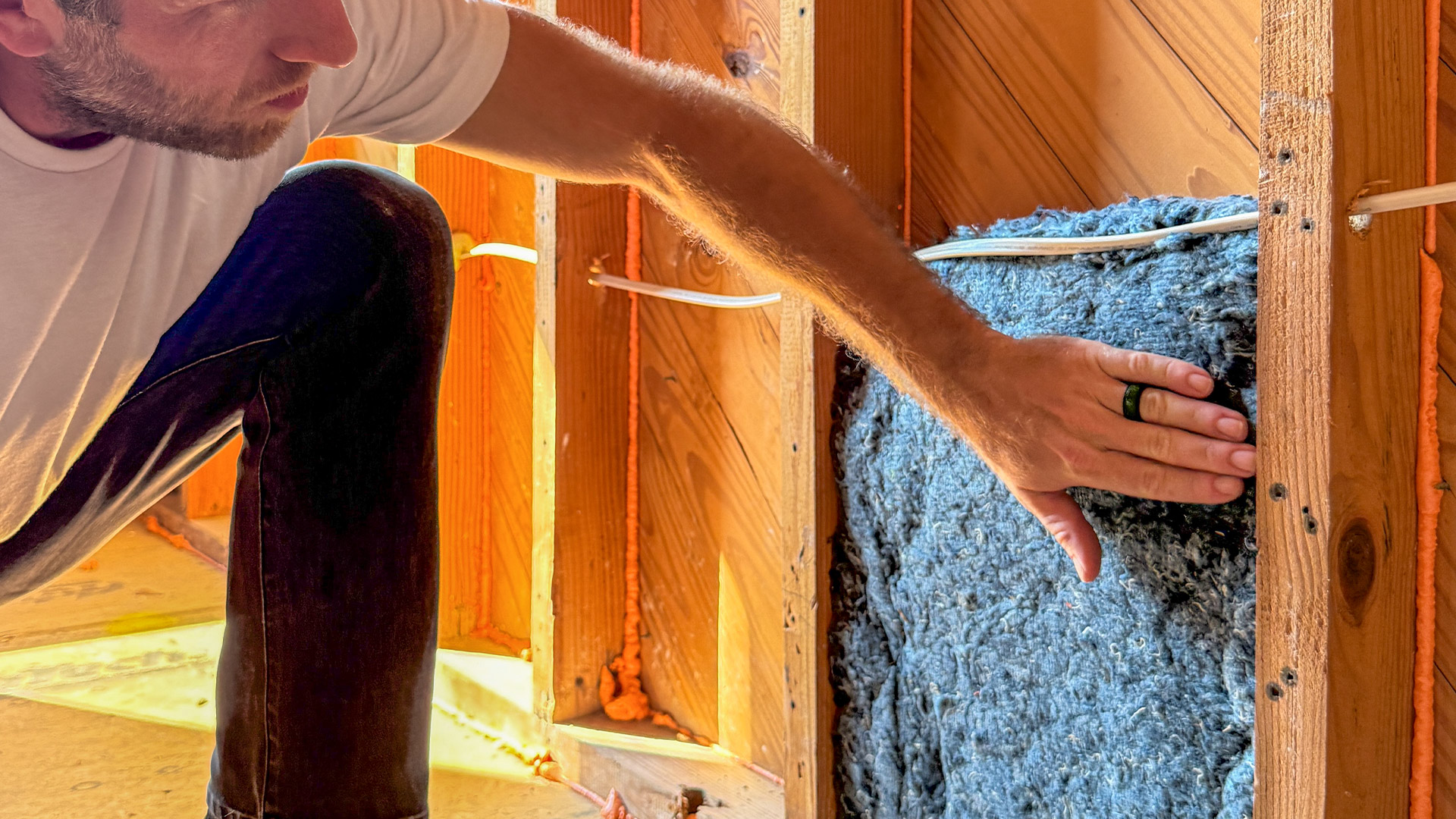
Dense insulation inside walls plays a major role in reducing room-to-room noise. This denim-based insulation works especially well in stud-framed assemblies, home offices, bedrooms, and media spaces. It absorbs airborne noise and also disrupts vibration from plumbing, HVAC systems, and appliances.
Upgrade Doors and Windows
Lightweight doors and single-pane windows are weak points in any soundproofing system. Consider upgrading to solid-core doors and double- or triple-pane windows. For existing windows, acoustic curtains or inserts can reduce outside noise without full replacement.
Install Acoustic Panels and Soft Materials
To control sound bouncing around inside a room, add soft, absorptive surfaces. Fabric wall panels, area rugs, and heavy drapes reduce echo and improve voice clarity. When planning how to soundproof a room, these treatments won’t block noise entirely—but they help control echo and interior sound reflections.
How to Make a Room Soundproof with Insulation
Insulation plays a vital role in stopping sound between rooms. It works inside the wall cavity—where sound transfer is most active—to reduce noise at the structural level. Bedrooms, home offices, nurseries, and shared living spaces all benefit from this layer of protection.
One of the best insulation materials for soundproofing walls is Quiet Denim.
- It’s made from post-industrial recycled denim, safe to handle, and highly effective at absorbing a wide range of everyday sounds.
- Installed between studs in interior walls, it reduces sound transmission from voices, media, and activity between rooms.
- It also helps dampen noise from plumbing, appliances, and HVAC systems—offering full-spectrum acoustic support in modern homes.
Unlike decorative fixes that treat echo, insulation provides acoustic separation by interrupting sound at the source.
Quiet Denim: The Best Insulation for Soundproofing Interior Walls
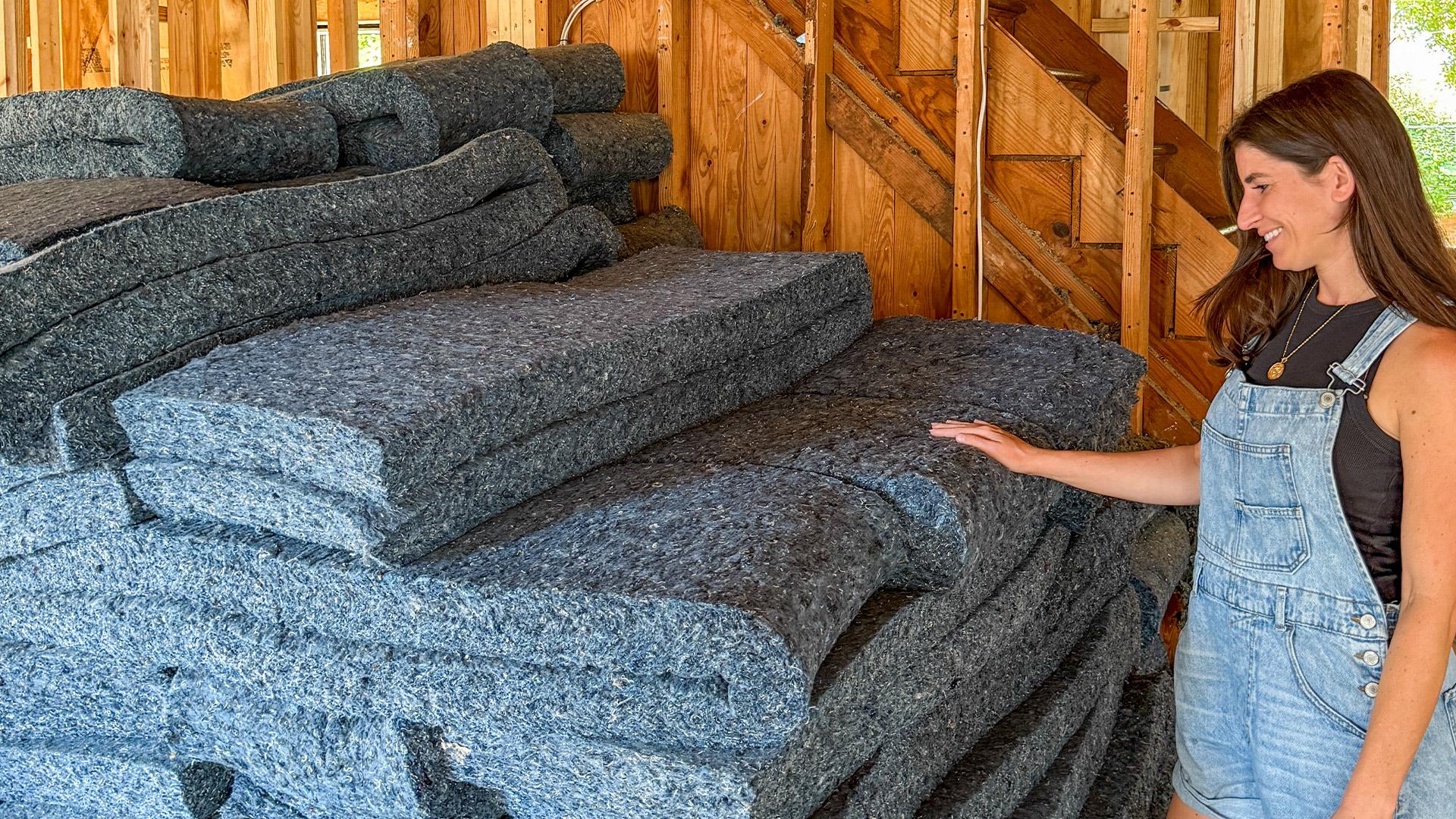
Quiet Denim is specifically designed for high acoustic performance. Its dense, flexible structure absorbs sound across a wide frequency range and helps reduce:
- Voices and conversation between rooms
- Television and music from adjacent spaces
- Plumbing noise and mechanical vibrations
- HVAC system hums and ductwork transmission
By absorbing sound at the structural level, the material helps reduce room-to-room noise—an important benefit in homes with shared walls, tight layouts, or utility runs.
A Clean, Safe Material That’s Easy to Install
In addition to sound control, this insulation supports healthier homes. It’s made from post-industrial recycled denim, is formaldehyde-free, and is low in VOCs—making it safe to handle and better for indoor air quality. Its fire rating and resistance to mold and mildew growth add extra peace of mind, especially in moisture-prone areas like basements or bathrooms.
Its friction-fit design makes it easy to install in standard stud bays—no stapling or compression required. Just press the batts in place and move on. It fills the cavity fully without sagging or gaps, making it an excellent foundation for any soundproof room.
Quiet Denim: The Best Insulation for Soundproofing Interior Walls
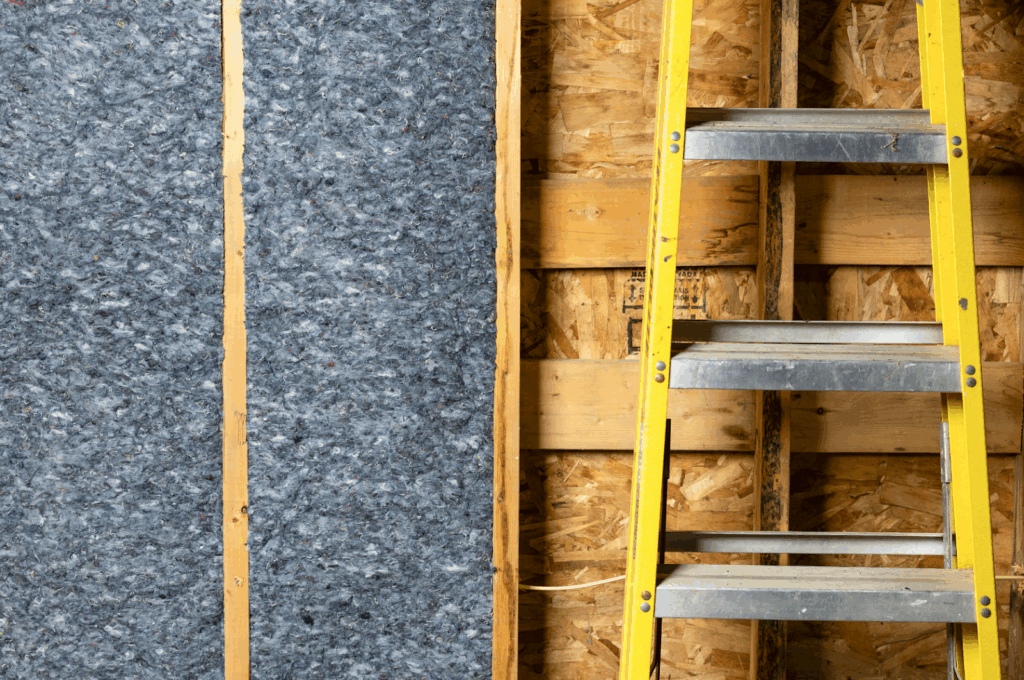
Quiet Denim combines acoustic performance, indoor air safety, and sustainability in one soundproofing solution. With a Noise Reduction Coefficient (NRC) of 1.05, it delivers outstanding sound control across a wide frequency range. This performance helps quiet everyday noise—from conversations and electronics to mechanical hums.
Ideal Applications
This material is well suited for any interior space where noise reduction matters.
- In bedrooms and nurseries, it supports better sleep by reducing external sounds and echoes.
- In home offices or studios, it improves focus and clarity—especially during phone calls or recording.
- And in shared-wall apartments or townhomes, it improves acoustic privacy without altering the finish or layout of the room.
For anyone exploring how to soundproof your room without introducing harsh chemicals or complicated materials, it offers a sustainable, performance-driven option that makes a clear difference.
Soundproofing Installation Tips
Proper installation helps maximize acoustic performance. The insulation should be installed snugly in each wall cavity without gaps or compression. Use acoustic sealant around outlets, seams, and utility penetrations to close off sound pathways and create a more complete barrier.
If you’re exploring how to soundproof a room during renovation, consider framing upgrades like staggered studs and complement them with acoustic materials that enhance both isolation and absorption.
Soundproofing a Room: What to Expect
It’s important to have realistic expectations. Soundproofing a room reduces sound transfer and echo but doesn’t create total silence. With the right mix of structure, insulation, and finish materials, most homeowners experience a major improvement in comfort and quiet.
For new builds and retrofits alike, layered soundproofing promotes better sleep, sharper focus, and fewer daily disruptions from outside noise.
How to Make Your Room Soundproof the Smart Way
Learning how to soundproof a room means thinking in layers: seal leaks, insulate walls, add mass, and manage acoustics. Blocking sound is one part of the strategy. A well-designed soundproofing system also supports a calmer, more livable home.
Want to build a quieter, healthier home? Start with the right insulation from Quiet Denim and smart soundproofing practices.