Insulation is often thought of as a way to manage temperature, but it also affects how sound moves through your home. If you’re wondering whether insulating interior walls can help reduce noise, the answer is yes. This guide covers where insulation works best and which materials make the most impact on room-to-room sound.
Are Interior Walls Insulated by Default?
In most homes, exterior walls are insulated to meet energy codes and improve efficiency. Interior walls, on the other hand, are typically left uninsulated unless sound control or specific comfort needs were considered during construction or a remodel.
Some exceptions exist. Insulation may be installed in interior walls that back up to laundry rooms, mechanical chases, or home theaters to limit noise or reduce vibration. These cases are the exception, not the rule. If you’re wondering if there is insulation in interior walls throughout the home, the answer is likely no, and even if you do, it’s likely only in select areas.
Should You Insulate Interior Walls?
If you want a quieter, more private home, then yes, you should insulate interior walls.
- Hollow partitions do little to stop sound, especially in homes with hard flooring, large rooms, or shared living zones.
- Adding insulation reduces voice transfer, appliance sounds, TV volume bleed, and bathroom noise, improving daily comfort without requiring major changes.
A common question that arises is whether interior walls should be insulated in every room. While you don’t need to treat every wall, focusing on high-impact rooms can make a noticeable difference.
- Bedrooms and nurseries benefit from lower ambient noise.
- Offices or studios feel more focused.
- Even a single insulated wall between a bathroom and living space can make the home feel more peaceful.
So when considering whether to insulate interior walls as part of a comfort strategy, the answer is yes, particularly when acoustic control is a priority.
How Does Insulation Help with Soundproofing?
Insulation reduces the transfer of airborne sound, including voices, music, and mechanical noise. Inside hollow walls, sound waves bounce and amplify. A dense insulation material absorbs that energy, cutting down on echo and limiting transmission between rooms. While no batt product will fully block sound, it’s an important first layer in any soundproofing strategy.
Plan Soundproofing Around Renovation Opportunities
Renovation projects present the perfect opportunity to add insulation to interior walls. When walls are already open for electrical, plumbing, or structural work, it’s efficient to include soundproofing, saving time, cost, and disruption later on. You might as well improve acoustic comfort while you’re at it. If you’re already planning electrical or plumbing work, it’s the perfect time to add insulation while the walls are open.
Waiting until sound problems become disruptive often means missing the simplest opportunity to reduce them.
Best Insulation for Interior Wall Soundproofing
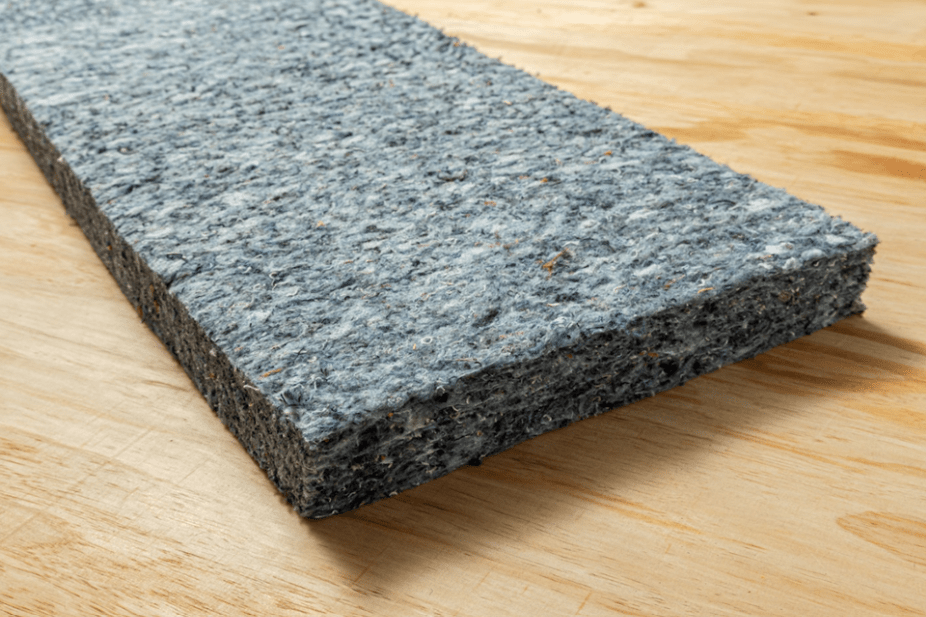
Quiet Denim insulation is one of the most effective and sustainable ways to insulate interior walls for sound.
- Made from post-industrial recycled denim, it delivers excellent noise reduction thanks to its dense, fibrous structure.
- With an NRC (Noise Reduction Coefficient) of 1.05, it absorbs airborne sound better than many traditional batts.
- The material is formaldehyde-free, low in VOCs, and mold and mildew growth resistant, making it ideal for sensitive spaces like bedrooms and home offices.
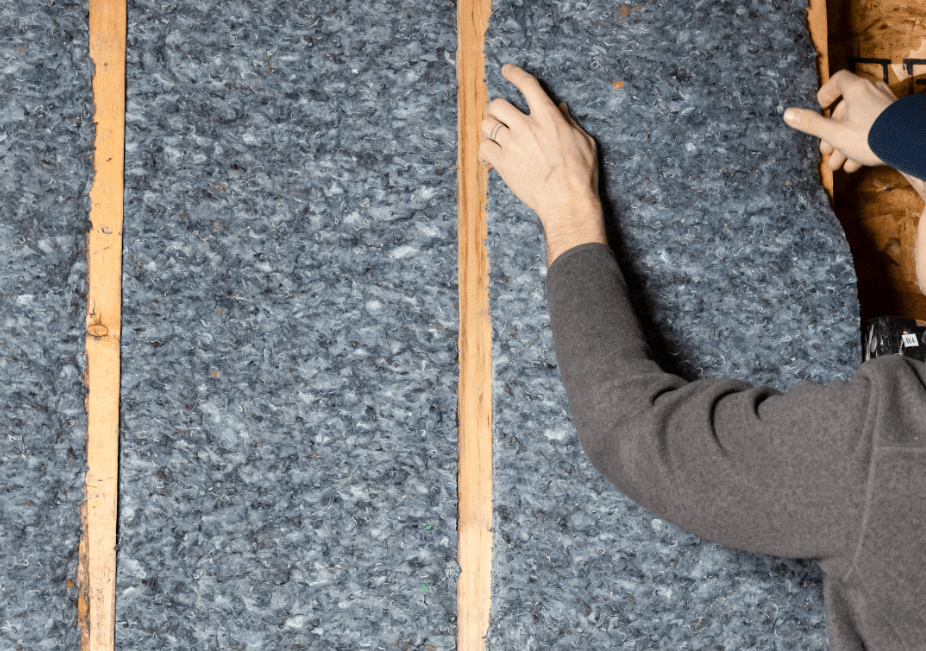
- It is safe to handle, DIY-friendly, and easy to install thanks to its friction-fit design, which allows each batt to seat securely without gaps or compression.
- Quiet Denim reduces sound transfer across interior walls while supporting a more comfortable and healthy indoor environment.
Quiet Denim offers a clean, quiet, and easy-to-use solution for insulating interior walls, making it ideal for homeowners focused on comfort and convenience.
Where to Insulate Interior Walls for Sound
Not every wall needs insulation, but the right placements can make a noticeable difference.
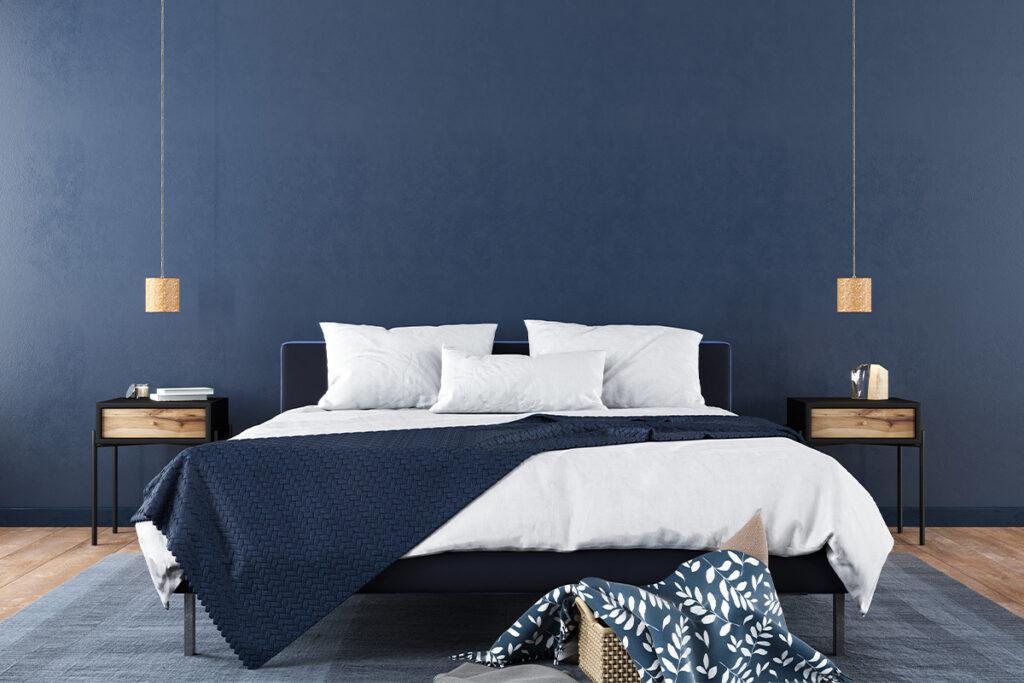
- Bedroom walls are an ideal starting point, especially in homes with young children or lightweight framing. These areas benefit from reduced nighttime noise and better separation from active zones.
- Home offices also gain from added privacy, insulated walls limit distractions and keep conversations contained.
- Bathrooms are another key target. Insulation helps control plumbing sounds, fan noise, and water flow that would otherwise carry into adjacent rooms.
Should you insulate interior walls near busy zones or quiet rooms? The answer is often both. Focus on shared walls between media rooms and living spaces, or between hallways and bedrooms, to reduce sound transfer and improve daily comfort throughout the home.
How to Insulate Interior Walls for Soundproofing
Interior wall soundproofing typically uses batt insulation placed between studs to absorb airborne sound. Quiet Denim is ideal for this type of install. It’s flexible, safe to handle, and designed to friction-fit into standard wall cavities without adhesives or special tools.
To get reliable acoustic performance, follow these steps:
1. Choose the right batt insulation.
Select a dense, sound-absorbing material like Quiet Denim. It reduces sound transfer and fits easily into residential framing.
2. Prepare the cavity.
Ensure the wall cavity is clean and free of debris. Remove any old insulation or obstructions that could affect fit or contact.
3. Cut and fit each batt.
Measure and trim the batts to fit snugly between studs. Quiet Denim’s friction-fit design makes for an extremely simple install—no stapling or compressing is needed.
4. Avoid gaps or compression.
Fill the entire cavity without squeezing the material. Compressed insulation loses acoustic value and creates voids where sound can pass through.
5. Seal small penetrations.
Apply acoustic caulk around outlet boxes, pipes, or wiring holes. Even minor leaks in these areas can reduce the system’s overall performance.
6. Close up the wall assembly.
Finish with drywall or another rigid barrier. For added sound control, consider using sound-rated drywall.
7. Time upgrades with other repairs.
If you’re already opening walls for electrical, plumbing, or structural work, it’s the ideal time to install soundproofing insulation Doing so during renovations can save time and deliver long-term noise control.
This step-by-step approach won’t fully soundproof a room, but it greatly reduces echo and room-to-room noise transfer—making your home noticeably quieter.
Should You Insulate Interior Walls? Absolutely—Especially for Sound
Sound control is an important factor in everyday home comfort. It supports quieter rooms, better rest, and increased privacy—all without major changes to layout or finishes. If you’ve been wondering whether insulating interior walls helps reduce noise, the answer is yes.
Quiet Denim is safe to handle, easy to install, and made from post-industrial recycled denim. It absorbs sound at an NRC of 1.05 and fits cleanly into standard wall framing—making it an efficient, sustainable choice for interior sound control.
Make Your Home Quieter with Quiet Denim
Ready to make your home more peaceful? Start by insulating interior walls with Quiet Denim. It’s an easy upgrade that improves daily life in the spaces you use most. Contact us today to learn more or find a distributor near you.