A quiet, efficient home starts with what’s inside its walls. The choice of insulation impacts sound levels, energy use, and indoor air safety. Denim house insulation provides sustainability, wellness, and acoustic comfort in one product, helping eco-conscious families design spaces that perform as responsibly as they feel.
What Is Denim House Insulation?
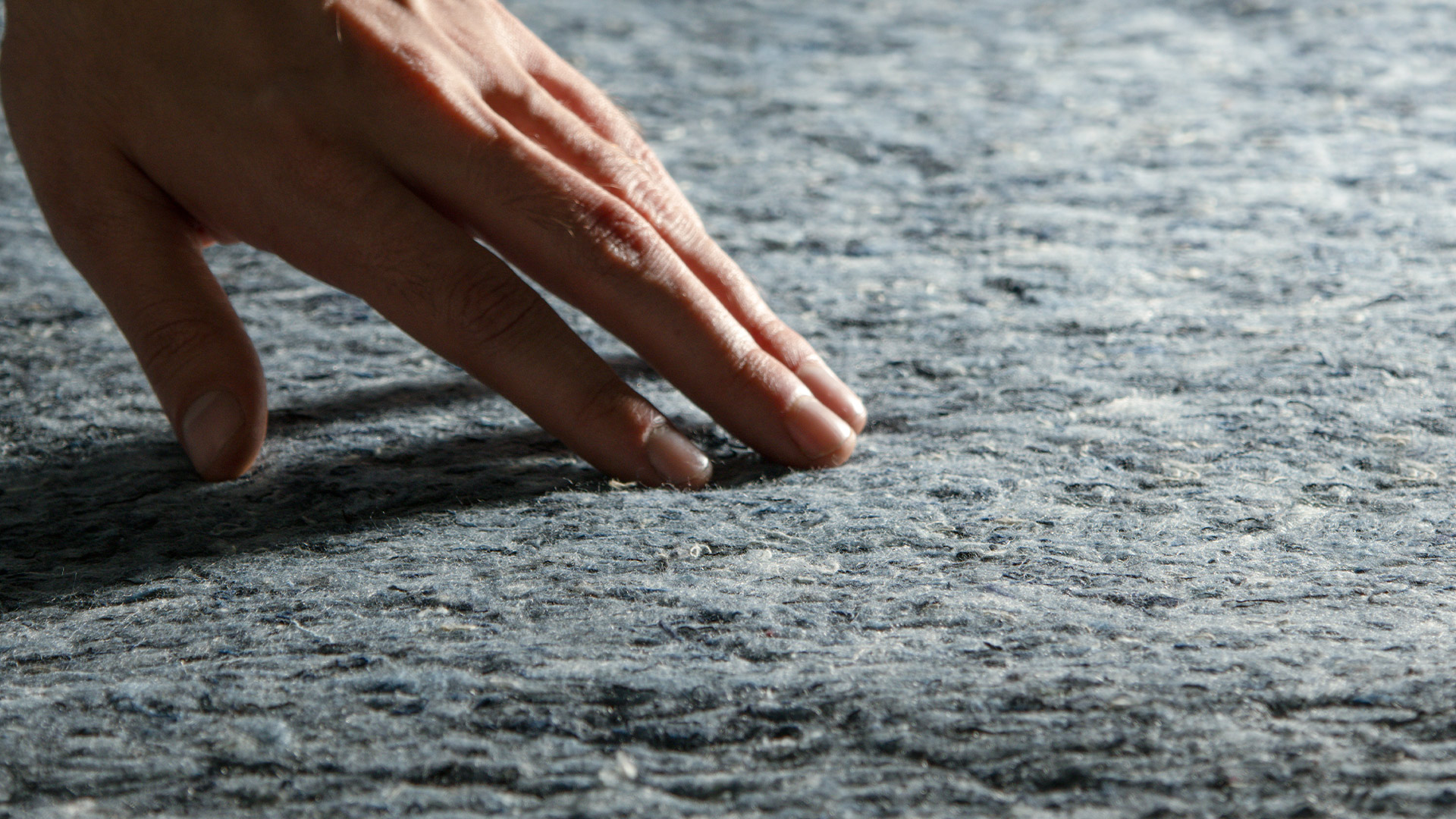
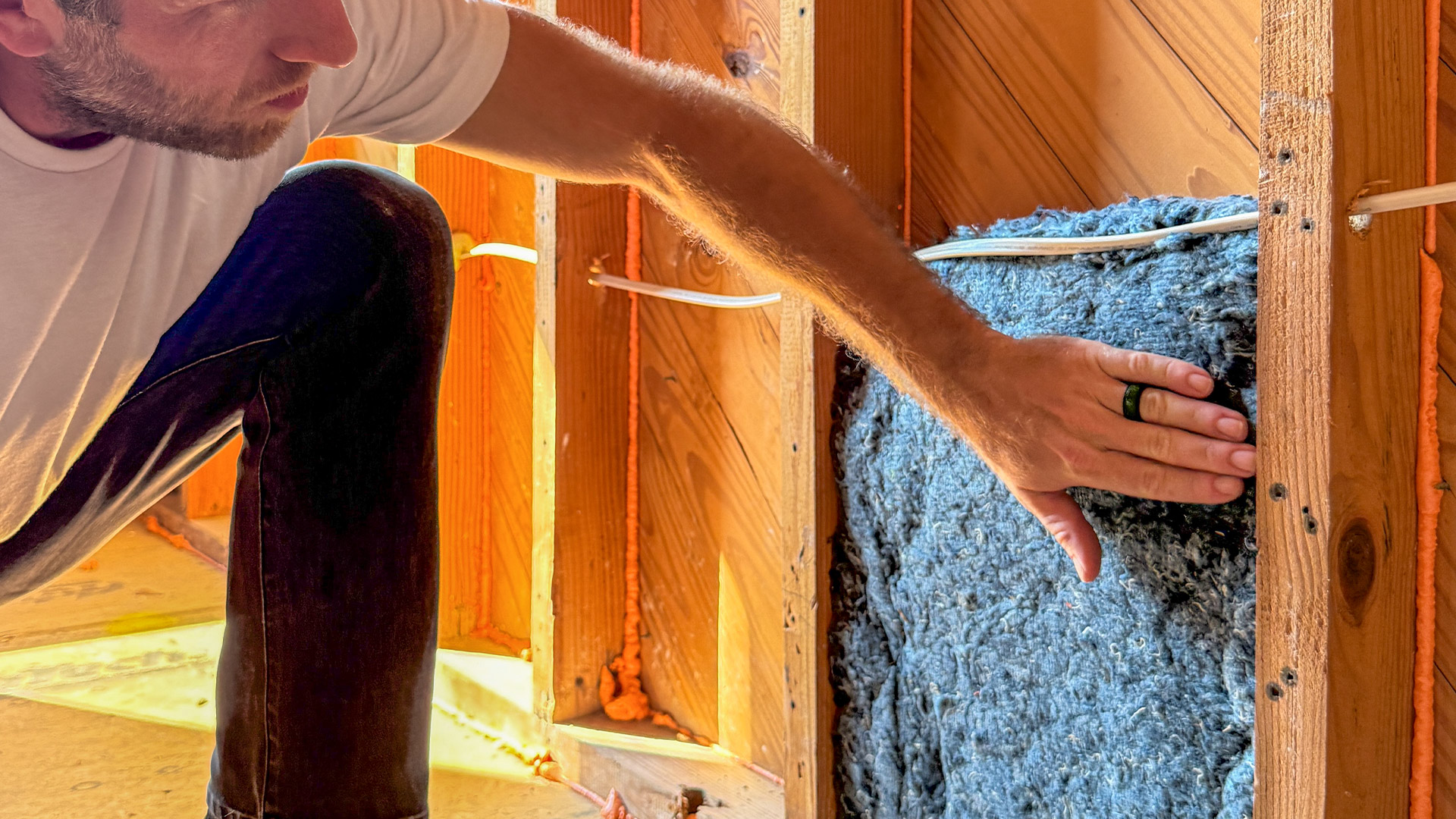
Denim house insulation is made with post-industrial recycled cotton fibers, giving new purpose to fabric scraps that would otherwise go unused and offering a more resource-conscious option for batt insulation. Unlike fiberglass, which relies on sharp fibers that can irritate the skin and lungs, denim is soft, safe to touch, and easy to handle.Quiet Denim contains no formaldehyde or high-VOC binders, supporting healthier indoor environments from the start. Supplied in standard batt form, it installs into wall, ceiling, or floor cavities with a friction fit, making it suitable for both new builds and retrofits.
Environmental Benefits of Denim Home Insulation
The environmental story behind denim home insulation is central to its appeal. By diverting waste from the textile industry, it reduces pressure on landfills while supporting a circular economy.
Lower Carbon Footprint and LEED Contribution
Producing denim insulation relies on recycled cotton fibers, giving it an eco-friendly profile that appeals to sustainable building practices. Its recycled content can support material credits in programs like LEED, making it a thoughtful choice for projects aiming to incorporate greener design elements. These savings, combined with its recycled content, support green building goals and can help projects pursue LEED credit.
Health & Safety Advantages
Indoor health and safety are important factors in material selection. Families spend the majority of their time indoors, and the insulation behind walls and ceilings plays a direct role in air quality. Denim house insulation is formaldehyde-free and low in VOCs, minimizing off-gassing and reducing exposure to harmful compounds. For sensitive groups such as children, older adults, or individuals with respiratory conditions, this difference translates into added daily comfort and peace of mind. Homes built with denim insulation promote both safety and wellness, a combination valued by eco-conscious households.
Acoustic Comfort: Soundproofing with Denim Insulation
While sustainability and safety matter, acoustic performance is often an overlooked factor for homeowners. Quiet living is difficult to achieve in modern houses where open layouts and multiple stories amplify sound transfer. Denim house insulation carries an NRC rating of 1.05, delivering sound absorption across a wide frequency range. This small upgrade can make a tremendous impact on everyday life, especially in bedrooms, home offices, media rooms, or any space where quiet and privacy matter.
NRC (Noise Reduction) Performance Compared to Other Insulations
Quiet Denim has been tested with an NRC of 1.05, indicating strong sound-absorbing qualities across key frequencies. This level of absorption can help soften conversation, background hum, and general household noise within wall and ceiling cavities, contributing to a more comfortable acoustic feel throughout the home.
Sound can still move through floor systems and structural elements, yet denim insulation often supports a quieter interior experience while also offering an eco-minded material choice.
Ideal Applications in Eco-Friendly Residential Design
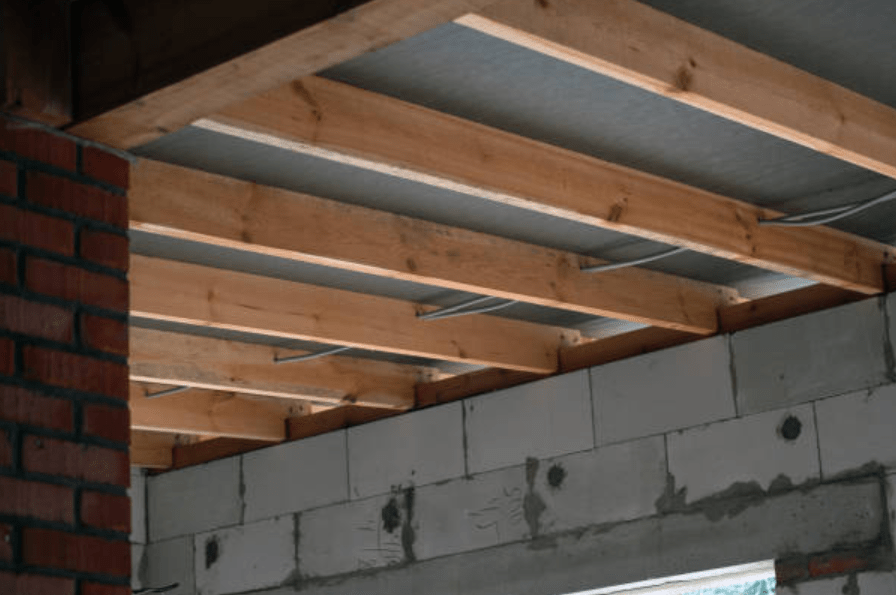
Applications extend beyond standard wall cavities. In multi-level homes, denim insulation can help soften airborne sounds between floors, contributing to a more comfortable acoustic feel. In basements, it is suited for interior walls and ceiling cavities, where it can support both acoustic comfort and thermal performance as part of a broader insulation plan. Homeowners should review local building codes and R-value requirements to determine the appropriate insulation strategy for their climate.
Denim batts fit standard framing cavities, which makes them practical for remodels and retrofits that aim to enhance interior comfort without specialized tools or fasteners. In new construction and focused updates, the material adapts well to a range of residential applications.
Specialty Rooms and Lifestyle Use Cases
Home theaters and dedicated offices are prime candidates for denim insulation, where both soundproofing and healthy air quality are priorities. In these spaces, fiberglass and mineral wool can control sound but release irritating fibers, while spray foam offers little acoustic benefit at all. Denim provides a safer, high-performing alternative that maintains indoor comfort while reducing noise.
Installation & DIY Friendliness
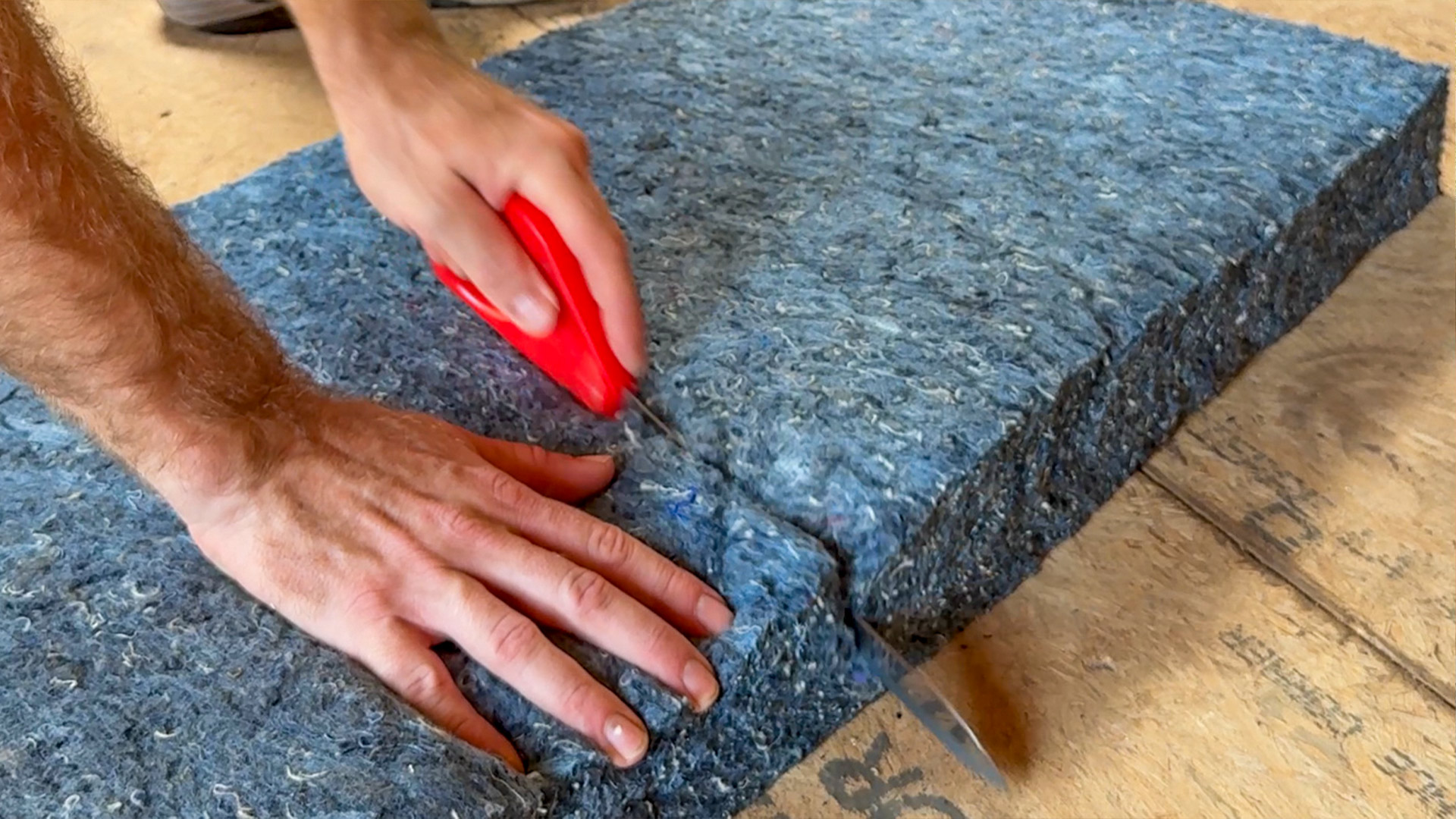
Ease of installation is another reason homeowners and contractors choose denim insulation.
- Its friction-fit design makes for an extremely simple install, reducing the time and complexity often associated with other materials.
- It’s safe to handle and easy to install, allowing confident DIYers to complete projects without specialized training.
- No gloves. No hassle. Just insulation that works.
- Unlike fiberglass, denim does not require extensive protective equipment, and it avoids the mess of loose-fill or sprayed products.
This straightforward installation process ensures that eco-friendly insulation remains accessible for a wide range of projects and budgets.
The Smart Choice for Sustainable Living
When evaluated alongside fiberglass, mineral wool, or spray foam, denim stands apart as a responsible choice that doesn’t sacrifice performance. It is fire rated and resistant to mold and mildew growth, may contribute to LEED credits for recycled content, and balances acoustic control with healthier indoor air and sustainability. These combined benefits make it one of the few insulation options that enhances comfort while advancing eco-friendly building practices.
Explore Quiet Denim for Eco-Friendly Insulation
Ready to build better? Quiet Denim brings together healthy materials and strong acoustic performance to support more comfortable interior spaces. Its recycled composition and indoor-air–friendly profile make it a thoughtful addition to residential projects focused on comfort and sustainability. Contact us today for more information.